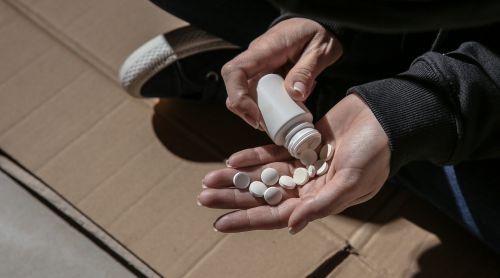
Illicit drug use is a widespread issue in the United States, impacting millions of individuals across different age groups and demographics. Healthcare workers, including doctors, nurses, and pharmacists, play a crucial role in identifying and addressing substance use disorders (SUDs).
Recognizing the signs of illicit drug use early can lead to timely interventions, improving patient outcomes and reducing the risk of overdose and long-term health complications. This pervasive issue necessitates a multifaceted approach, with pharmacists playing a crucial role in mitigation and prevention efforts.

Related: Illicit Drug Usage in the United States
Prevalence and demographics of illicit drug use
Illicit drug use in the United States is complex and varies across different age groups and substances. In 2023, Substance Abuse and Mental Health Services published a finding of nearly 70.5 million Americans aged 12 and older reported using illicit drugs in the past year.
- Adolescents (aged 12-17): Approximately 3.8 million reported using illicit drugs in the past year.
- Young Adults (aged 18-25): This group reported usage rates of about 13.3 million reporting past-year illicit drug use.
- Adults (aged 26 and older): An estimated 53.5 million reported illicit drug use in the past year.
Top 10 most abused illicit substances
Illicit drug use in the United States encompasses a variety of substances with significant abuse rates. According to the National Institute on Drug Abuse (NIDA), the most abused illicit drugs include:
- Marijuana (cannabis): The most widely used illicit drug, affecting millions of users.
- Cocaine: A powerful stimulant with high potential for addiction.
- Heroin: An opioid associated with severe dependence and overdose risks.
- Methamphetamine: A stimulant leading to increased activity and decreased appetite.
- Fentanyl: A synthetic opioid significantly more potent than morphine, contributing to a rise in overdose deaths.
- MDMA (Ecstasy): A synthetic drug altering mood and perception.
- LSD: A hallucinogen causing profound changes in thoughts and perception.
- Psilocybin (magic mushrooms): A naturally occurring hallucinogen affecting mood and perception.
- Inhalants: Substances inhaled for psychoactive effects, often common household products.
- Synthetic cannabinoids (Spice, K2): Man-made chemicals applied to plant material, mimicking THC effects.
Trends in drug overdose deaths
Drug overdose deaths have been a critical indicator of the severity of the illicit drug use crisis. Recent data from the Centers for Disease Control and Prevention indicate a significant decline in overdose fatalities.
- Total overdose deaths: Nearly 87,000 deaths were recorded in the 12-month period ending September 2024, marking a 24% decrease from the previous year and the lowest number since June 2020.
- Opioid-related deaths: Fatalities involving opioids fell to 61,393, with synthetic opioid deaths, including fentanyl, decreasing to 55,126 in the same period.
This decline is largely attributed to intensified efforts to disrupt the fentanyl supply chain, a synthetic opioid that has been a major contributor to overdose deaths.
While the decrease is promising, the number of lives lost remains overwhelming. Raising awareness and implementing interventions are key to further reducing drug overdose fatalities.
Physical signs of illicit drug use
Drug use can be detected through various physical indicators, which may differ based on the substance being used. Some general signs include:
- Pupil changes: Dilated or constricted pupils can indicate stimulant (e.g., cocaine, methamphetamine) or opioid (e.g., heroin, fentanyl) use.
- Weight fluctuations: Sudden weight loss is common in individuals using stimulants, while weight gain may be seen with certain depressants.
- Poor hygiene and skin conditions: People struggling with substance use may neglect personal hygiene, and conditions like track marks (from injecting drugs) or sores (from methamphetamine use) may be present.
- Respiratory issues: Shallow breathing, frequent coughing, or lung infections can indicate inhalation of substances like opioids or methamphetamine.
Behavioral and psychological indicators of illicit drug use
Changes in a person’s behavior or mental state can also signal potential drug use. Common behavioral and psychological signs include:
- Mood swings and agitation: People may exhibit rapid mood changes, aggression, or paranoia, which are often linked to stimulant or hallucinogen use.
- Depression and anxiety: Opioid or sedative users may show symptoms of depression, lethargy, or suicidal thoughts.
- Cognitive impairment: Difficulty concentrating, confusion, and memory loss are common in chronic drug users, particularly with prolonged benzodiazepine or opioid use.
- Doctor shopping: People who frequently switch providers or exaggerate pain symptoms to obtain prescription medications may be engaging in drug-seeking behavior.
Role of pharmacists in addressing illicit drug use
Pharmacists are uniquely positioned within the healthcare system to combat illicit drug use through various interventions:
- Education and prevention
- Patient counseling: Providing guidance on the proper use of medications and the dangers of misuse can prevent the initiation of illicit drug use.
- Community engagement: Pharmacists can lead public education initiatives in schools, colleges, churches, and civic organizations, emphasizing the health risks associated with drug misuse.
- Harm reduction
- Naloxone dispensation: Pharmacists can supply naloxone, an opioid overdose reversal agent, and educate patients and communities on its use, thereby reducing overdose fatalities.
- Syringe exchange programs: Participation in or support for needle exchange programs can minimize the transmission of infectious diseases among individuals who use injectable drugs.
- Monitoring and intervention
- Prescription Drug Monitoring Programs (PDMPs): Utilizing PDMPs allows pharmacists to track controlled substance prescriptions, identify potential misuse, and intervene appropriately.
- Screening and referral: Implementing screening tools to detect substance use disorders enables pharmacists to refer patients to specialized treatment services.
- Policy advocacy and professional development
- Advocating for supportive policies: Pharmacists can influence policy by advocating for laws that support substance abuse prevention and treatment.
- Continuing education: Engaging in ongoing professional development ensures pharmacists are knowledgeable about the latest practices in substance abuse prevention and treatment.
Challenges and considerations
Despite their vital role, pharmacists face several challenges in addressing illicit drug use:
- Stigma. People may hesitate to seek help due to the stigma associated with substance use disorders. Pharmacists must foster a nonjudgmental environment to encourage open dialogue.
- Resource limitations. Pharmacies, especially in underserved areas, may lack the resources necessary to implement comprehensive substance abuse programs.
- Regulatory hurdles. Navigating complex regulations surrounding controlled substances can impede the ability of pharmacists to provide certain interventions, such as medication-assisted treatment.