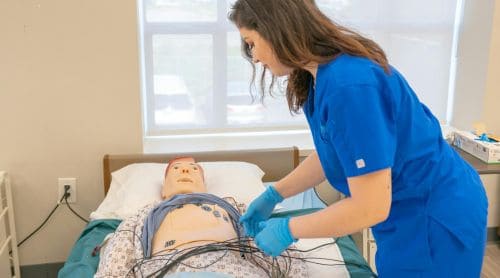
If you feel called to help others but aren’t sure you can commit to a four-year degree right away, becoming a licensed practical nurse (LPN) is a fantastic entry point into the medical field. It offers a quicker path to employment and provides a solid foundation for a long, rewarding career.
An LPN plays a vital role in the healthcare ecosystem. In some states, like California and Texas, you might see this role called a licensed vocational nurse (LVN). Don’t worry about the difference in names; the job functions and educational requirements are virtually the same. Whether you want to work in a hospital, a long-term care facility, or a home health setting, this career path offers stability and the chance to make a real difference in patients’ lives every single day.

What do LPNs and LVNs actually do?
Licensed practical nurses and licensed vocational nurses provide essential care to patients who are sick, injured, or recovering from surgery. You work under the supervision of registered nurses (RNs) and doctors, acting as the eyes and ears of the medical team. Because you spend so much time directly with patients, you’re often the first to notice changes in their condition.
Your daily tasks will vary depending on where you work, but they usually focus on basic nursing care and patient comfort. Some common responsibilities include:
- Monitoring health: You check blood pressure, temperature, and other vital signs.
- Basic patient care: You help patients with daily activities like bathing, dressing, and eating.
- Administering medication: Depending on state laws, you may give medications and injections.
- Communication: You listen to patients’ concerns and relay important information to the rest of the healthcare team.
- Record keeping: You maintain accurate charts and health records.
You’ll find LPNs serving a diverse range of patients. You might care for elderly residents in a nursing home, help new mothers in a maternity ward, or support patients recovering from surgery in a rehabilitation center.
Steps to become a licensed practical nurse
The journey to become a licensed practical nurse is shorter than becoming an RN, which makes it an attractive option for many students. You can typically complete your training in about one year. Here’s a breakdown of the steps you need to take.
Complete an accredited nursing program
First, you need to find an approved educational program. You can find these at community colleges, technical schools, and even some hospitals. These programs usually award a certificate or diploma rather than a degree. During your coursework, you’ll study subjects like biology, pharmacology, and nursing fundamentals.
Finish your clinical training
Classroom learning is important, but nursing is a hands-on job. Your program will include supervised clinical experience. This is where you go into real healthcare settings like hospitals or clinics and apply what you learned in class. It’s a great opportunity to get comfortable interacting with patients and see how a medical team functions in real time.
Pass the NCLEX-PN
Once you graduate, you must pass the National Council Licensure Examination for Practical Nurses (NCLEX-PN). This exam tests your knowledge and ensures you’re ready to practice safely. It covers four major categories of client needs:
- Safe and effective care environment
- Health promotion and maintenance
- Psychosocial integrity
- Physiological integrity
Apply for your state license
After you pass the exam, you’ll apply for licensure in the state where you want to work. Each state board of nursing has specific requirements, so check with them early in the process. Once approved, you’re ready to start your job search!
Traits that help you succeed
Nursing requires a unique mix of hard skills and soft skills. While you can learn the medical techniques in school, certain personality traits will make the job much easier and more enjoyable for you.
- Compassion and empathy: You see people when they’re most vulnerable. Offering a kind word or a comforting presence is just as important as checking a pulse.
- Detail-oriented: Medical care requires precision. You need to be careful when administering meds or recording vitals, as small mistakes can have big consequences.
- Physical stamina: You’ll spend most of your shift on your feet. You also need the physical strength to help lift and move patients.
- Good communication: You need to explain things clearly to patients and report information accurately to doctors and RNs.
- Emotional stability: Healthcare can be stressful. The ability to stay calm under pressure helps you make better decisions and keeps your patients at ease.
Continuing education requirements
Your education doesn’t end once you get your license. Healthcare changes constantly, and you need to stay current to provide the best care. Most states require LPNs to complete continuing education (CE) contact hours to renew their licenses.
These requirements vary by state. Some states ask for a specific number of hours every two years, while others have different cycles. You can often complete these courses online, which offers great flexibility for your schedule. Topics might range from pain management to new safety protocols. Viewing this as an opportunity rather than a chore helps you grow in your career and keeps your skills sharp.
Start your nursing journey today
The path to a career in nursing is open and achievable. If you’re looking for a job that offers stability, flexibility, and the chance to help others, becoming an LPN is a smart choice. You don’t have to spend four years in school to start making an impact. With the right training and a compassionate heart, you can enter the workforce quickly and start a career that truly matters. Look into accredited programs near you and take that first step toward your future today.