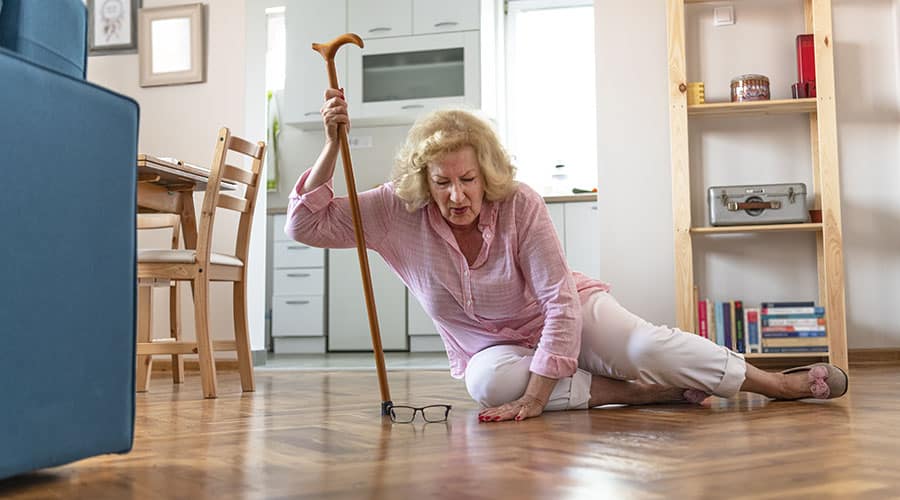
Preventing elderly patient falls is a serious challenge in healthcare, but it is also an area where you can make a significant impact. With up to one million hospitalized patients falling annually in the U.S., the need for vigilance is clear. However, the goal isn’t just to prevent falls—it’s to empower patients to recover safely and confidently.
The Challenge of Immobility
When patients fall, or even when they fear falling, they often stop moving. Studies show that elderly patients spend the vast majority of their hospital stay in bed, which leads to muscle weakness and actually increases the risk of future falls.
As a healthcare provider, your role is to find the balance between protecting the patient and encouraging necessary movement. Over-caution can lead to an “epidemic of immobility,” but the right support helps patients regain their strength.
Your Role in Fall Prevention
Effective fall prevention requires an interdisciplinary approach. Here are practical ways you can create a safer environment while promoting patient independence:
- Utilize Clinical Tools: Assessments of patient strength and mobility are vital. Use gait belts to assist with steady ambulation, allowing patients to move without the fear of injury.
- Monitor High-Risk Moments: Many falls occur during toileting. Be alert to patients who may have urgency due to medications like diuretics or laxatives, especially at night.
- Create a Safe Environment: While bed alarms have mixed results, other visual cues can help. Use signage (like specific images on doors) to identify high-risk patients to all staff members. Non-slip socks can also provide extra stability.
- Review Medications: collaborate with the care team to see if adjustments, such as managing Vitamin D intake or reviewing sedating medications, can reduce risk.
Empowering Your Patients
Patients who have fallen often carry a lasting fear of it happening again. By providing them with the right tools—such as physical assistance, clear instructions on using call lights, and a supportive presence—you can help alleviate that anxiety.
When the entire healthcare team communicates during daily huddles and views the patient holistically, we can improve outcomes. Your dedication to safe mobility ensures that patients don’t just survive their hospital stay, but leave stronger than when they arrived.