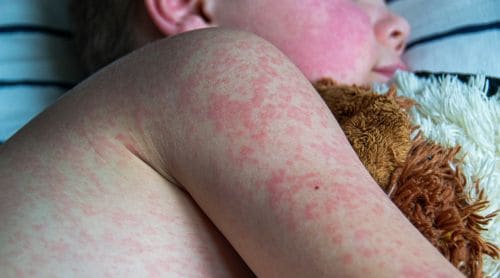
Quick answer: When a measles outbreak hits a local school, nurses should respond in three phases. In the short term, isolate cases, report to the health department within 24 hours, and launch emergency vaccination clinics. Medium term, manage the patient surge and enforce quarantine. In the long term, follow up with recovered patients and strengthen community immunity.
It starts with a phone call. A parent reports that her seven-year-old has a high fever, a cough, and a red rash spreading down his face. He wasn’t vaccinated. By Wednesday, five more kids in the same classroom are sick. Within a week, you’re looking at 23 confirmed cases, and your waiting room is full of feverish children.
Sound far-fetched? It isn’t. Measles cases are climbing again in communities where vaccination rates have slipped below the 95% needed for herd immunity. When an outbreak hits, nurses land squarely on the front lines.
This post walks through the practical steps you can take during a measles outbreak, pulled straight from Elite Learning’s newest free download: A Nurse’s Guide to Navigating the Worst-Case Scenario. Think of it as your starting playbook, then grab the full guide for the complete picture.
Download the Worst-Case Scenario Guide
What should nurses do first in a measles outbreak?
Speed is everything. Every hour of delay gives measles more room to spread.
Your short-term priorities are clear:
- Isolate infected patients and provide immediate supportive care.
- Report every suspected and confirmed case to your local health department within 24 hours, with detailed patient information.
- Start contact tracing right away to find everyone exposed during the contagious period, prioritizing high-risk contacts.
- Set up emergency vaccination clinics. Offer the MMR vaccine to susceptible people within 72 hours of exposure, and provide immune globulin to those who can’t be vaccinated, like infants and pregnant women.
- Communicate clearly with exposed families about symptoms and quarantine instructions, and coordinate with school administrators on exclusion policies.
A dedicated information hotline can help you triage concerns and keep your messaging consistent. The goal in these first days is simple: contain the spread while staying compassionate, even when families are scared or skeptical.
Related CE course for nurses: Vaccine-Preventable Diseases
How do nurses manage the surge over the following weeks?
Once the outbreak takes hold, your job shifts from containment to sustained management. This is where things get messy.
You’ll be juggling several priorities at once:
- Monitor every case for complications like pneumonia, hearing loss, or vision problems.
- Manage the “worried well.” Build a triage system to prioritize truly sick children, and lean on telehealth to reduce clinic crowding and prevent your office from becoming a transmission site.
- Support community vaccination campaigns, staffing clinics during evenings and weekends to maximize access.
- Enforce quarantine and exclusion policies with empathy. Connect families with resources if staying home creates financial hardship.
- Keep your surveillance high. Lower your threshold for testing and report new cases immediately to track transmission chains.
Don’t overlook your own mental health here. Watching children suffer from a preventable disease takes a toll, and you can’t personally convince every vaccine-hesitant family. Regular debriefs with colleagues and celebrating small wins, like every child who gets vaccinated will keep you going. Remember: a measles outbreak is a marathon, not a sprint.
Related CE course for nurses: Crisis Resource Management
What happens after the outbreak ends?
The work doesn’t stop when the last case clears. Long-term recovery is about preventing the next outbreak.
Focus your energy on three areas:
- Patient follow-up. Schedule appointments one to two months post-infection to catch long-term complications and make sure patients complete their MMR series.
- Community education. Host forums that share factual information about vaccine-preventable diseases, partner with trusted community leaders, and build culturally appropriate campaigns that address common myths with empathy.
- System improvements. Run an outbreak debriefing to document lessons learned, update protocols, and advocate for policy changes, like eliminating non-medical vaccine exemptions.
Strengthening your relationships with school nurses and supporting school-based vaccination clinics can quietly do more to prevent future outbreaks than almost anything else.
Related CE course for nurses: Stopping the Spread of Misleading Information
Want the complete worst-case playbook?
A measles outbreak is just one of five scenarios covered in A Nurse’s Guide to Navigating the Worst-Case Scenario. The full guide also tackles medication errors, active shooter situations, natural disasters, and the next pandemic, each with detailed short-, medium-, and long-term response plans.
It’s not about fear. It’s about walking into a crisis with a plan already in hand. Download the free guide from Elite Learning and feel ready for whatever your shift throws at you.
Frequently asked questions
How fast can a measles outbreak spread in a school?
Very fast. Measles is one of the most contagious diseases known. In one real-world scenario, a single index case grew to 23 confirmed cases within a week, with dozens more children showing symptoms. This is largely because the school’s vaccination rate sat around 75%, well below the 95% needed for herd immunity.
When should the MMR vaccine be given after exposure?
The MMR vaccine should be offered to susceptible individuals within 72 hours of exposure. For high-risk contacts who can’t be vaccinated—such as infants and pregnant women—immune globulin is the recommended option.
When can a child with measles return to school?
Typically four days after the rash first appears, once the child is fever-free and has been cleared by a healthcare provider.
How should nurses handle conflict with anti-vaccine families?
Stay professional, even when families are hostile. Motivational interviewing—asking open-ended questions and providing evidence without judgment—works better than confrontation. Recognize when to step back, since some families won’t be persuaded, and protect your own mental health by not internalizing anger directed at you.
Where can I find a full crisis response guide for nurses?
Elite Learning’s free download, A Nurse’s Guide to Navigating the Worst-Case Scenario, covers measles outbreaks plus four other emergencies, with practical short-, medium-, and long-term action plans for each.