Did you know that 65 million Americans call rural areas home? That’s nearly 20% of the population living outside urban centers. These communities offer beautiful landscapes and tight-knit neighborhoods. They also face unique medical and psychological challenges. As a behavioral health professional, you have a vital role to play in rural public healthcare.
You might wonder how rural settings differ from city environments. Geographic isolation, limited resources, and specific cultural beliefs all shape how people experience care. When you understand these factors, you can provide better support to your clients and help bridge the gap in available services.
This post explores the core components of rural public healthcare. You’ll learn about the physical environment, the people living there, and the specific health beliefs that influence their choices. By the end, you’ll have a clear picture of how your skills can create positive outcomes in rural communities.

The environments shaping rural public healthcare
Rural settings are defined by much more than just open space. Both the natural and built environments heavily influence rural public healthcare.
Related CE course for behavioral health professionals: Rural Public Health Care
Built and natural factors
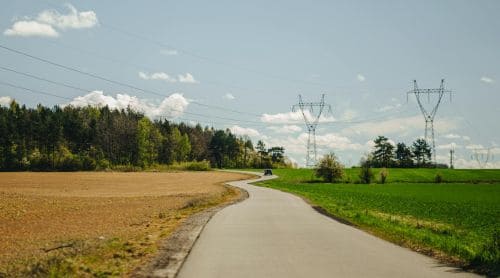
The physical surroundings in rural areas can create unexpected hazards. For example, intense farming practices often lead to increased exposure to pesticides and chemicals. Many homes rely on wood or coal for heat, which can affect respiratory health. Rural residents also face longer travel times on poorly maintained roads. This makes emergency response times much slower.
Natural elements add another layer of complexity. Rural community members deal with extreme weather, animal-related injuries, and outdoor occupational hazards. As a psychologist or social worker, recognizing these daily physical stressors helps you build empathy and understand the baseline anxiety your clients might experience.
Navigating healthcare systems
Healthcare facilities look quite different outside the city. Rural public healthcare relies on critical access hospitals, rural clinics, and federally qualified health centers. These facilities frequently operate with limited staff and funding. A nurse in a small town might cover the emergency room, handle public health duties, and care for older adults all in one shift.
Because medical resources are stretched thin, behavioral health services are often scarce. Many rural residents must drive hours to see a counselor. You can bridge this gap by offering telehealth options or partnering with local clinics. Understanding the strain on local medical staff also allows you to collaborate more effectively with rural nurses and doctors.
The people living in rural communities
To provide excellent behavioral health support, you need to know exactly who you’re serving. Rural populations are incredibly diverse, yet they share some common demographic trends.
Related CE course for behavioral health professionals: Telemental Health: An Alternative to Traditional Psychotherapy, 2nd Edition
Demographics and vulnerable groups
About 19% of the rural population is over the age of 65. Older adults often deal with chronic diseases and higher rates of disability. Furthermore, long-term care facilities in rural areas see a high percentage of mental health needs. Nearly 41% of nursing home residents in noncore counties experience depression.
Rural areas also are home to highly vulnerable populations. These include Native American tribes and migrant farmworkers. These groups frequently experience higher poverty levels, limited access to education, and significantly higher rates of chronic illness. When you tailor your counseling or social work to respect these diverse cultural backgrounds, you build trust and improve client outcomes.
Health beliefs and behavioral health challenges
The way rural residents view their own health directly impacts when and how they seek treatment. This is especially true for psychological support.
The culture of toughness
In many rural towns, people define health as the ability to work and function. If an issue doesn’t stop them from doing their job, they might just ignore it. Values like resilience, independence, and toughness are deeply ingrained. While these are strong positive traits, they can prevent people from seeking timely help.
This cultural mindset creates a persistent stigma around mental health. Many people believe they should just take care of their own problems without outside intervention. As a counselor, you can reframe therapy not as a weakness, but as a tool to maintain their strength and independence.
Addressing the mental health crisis
The statistics surrounding rural mental health are sobering. The suicide rate in rural areas is nearly twice as high as in urban locations. Between 1999 and 2019, the difference in suicide rates between rural and urban areas widened significantly. Firearms account for a large percentage of these tragedies.
Additionally, drug overdose deaths are rising in rural communities. This is largely driven by synthetic opioids like fentanyl. The opioid crisis impacts a huge number of agricultural workers and their families. As a behavioral health professional, your expertise is desperately needed to combat these trends. By providing accessible, stigma-free care, you can literally save lives.
Take the next step in your practice
Rural public healthcare faces undeniable challenges. Geographic isolation and severe resource shortages make accessing care difficult. However, these obstacles also present a massive opportunity for dedicated professionals like you.
Social workers, counselors, and psychologists possess the exact skills needed to support these underserved communities. You can start by learning more about the specific cultural and economic realities of the rural areas near you. Look into telehealth platforms that allow you to reach isolated clients. Consider reaching out to a rural clinic to see how you can collaborate with their medical staff.
When you bring your expertise to rural public healthcare, you empower people to overcome their struggles and achieve true well-being. Your support can change the trajectory of an entire community.