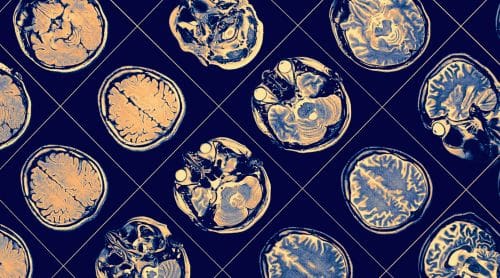
Clinical neuropsychology bridges the gap between brain function and behavior, providing critical insights for mental health professionals. These insights support diagnosis, treatment planning, and patient care throughout the lifespan.
This article covers the origins of clinical neuropsychology, training pathways, and the brain’s functional organization. It will also cover what to expect during a typical neuropsychological evaluation, how to interpret a report, when to refer a client, and how multicultural factors influence the assessment process.
Related social work CE course: Clinical Neuropsychology: Applications in Practice

What is clinical neuropsychology?
Clinical neuropsychology is a specialty within psychology focused on understanding the relationship between brain function and behavior. It combines principles from neuroscience, psychology, and clinical assessment to evaluate how brain-based conditions affect cognitive, emotional, and behavioral functioning.
Clinical neuropsychologists are trained to assess and diagnose conditions related to brain injury, neurological illness, developmental disorders, and psychiatric conditions. Through comprehensive evaluations, they identify patterns of cognitive strengths and weaknesses that can:
- Guide diagnosis
- Inform treatment planning
- Support educational or occupational accommodations
- Monitor changes over time
This field plays a critical role in interdisciplinary care, particularly when questions arise about memory, attention, language, executive functioning, or behavior that may be associated with neurological changes.
The evolution and training of clinical neuropsychologists
The origins of clinical neuropsychology can be traced back to the late 1700s, when early theories about brain function began to take shape.
One of the earliest contributions came from phrenology, proposed by Franz Gall in 1796, who suggested that specific mental functions were localized in distinct areas of the brain. Though later discredited, phrenology introduced the idea that the brain’s structure could be linked to behavior. This concept laid the groundwork for future scientific inquiry.
Pivotal advances came from neurologists Paul Broca and Carl Wernicke in the late 1800s, whose studies of patients with acquired language deficits revealed consistent patterns of brain damage. Broca identified an area in the left frontal lobe associated with expressive language, while Wernicke localized receptive language to the posterior temporal lobe. Their findings provided strong evidence for functional localization, a foundational principle in neuropsychology.
Though the term was first used in 1913 by Sir William Osler, the formal field of clinical neuropsychology developed further in the 20th century. This happened during and after World War II, when the need to assess and rehabilitate soldiers with brain injuries accelerated interest in cognitive testing and brain-behavior relationships.
As the field matured, it integrated standardized assessment tools, emerging neuroscientific research, and later, neuroimaging techniques to refine both diagnostic precision and treatment planning.
Specialized training pathways
Becoming a clinical neuropsychologist requires extensive education and supervised experience. After completing a doctoral degree in clinical psychology or a related field, aspiring neuropsychologists pursue specialized training that includes:
- A doctoral degree (either a PhD or PsyD) in neuropsychology
- A one-year clinical internship with a neuropsychology emphasis
- At least two years of postdoctoral residency in clinical neuropsychology
Many go on to pursue board certifications through the Association of State and Provincial Psychology Boards (ASPPB), the American Board of Clinical Neuropsychology (ABCN), or the American Academy of Clinical Neuropsychology (AACN), which signals advanced competence in the field.
This rigorous training ensures that clinical neuropsychologists are equipped to integrate cognitive assessment, neuroanatomy, psychopathology, and cultural considerations into comprehensive evaluations that inform care across diverse populations.
Key neuroanatomical structures and their functions
Understanding the brain’s primary structures and their relationship to behavior is essential in clinical neuropsychology. Below are core neuroanatomical regions commonly evaluated during neuropsychological assessments, along with their functional significance.
Frontal lobes
The frontal lobes are involved in executive functions, including planning, decision-making, impulse control, working memory, and social behavior. The prefrontal cortex plays a key role in regulating emotions and goal-directed behavior. Damage to this region may lead to impaired judgment, disinhibition, or personality changes.
Parietal lobes
The parietal lobes integrate sensory information, like touch, and support spatial orientation, body awareness, and mathematical reasoning. Lesions in this area can cause difficulties with navigation, spatial neglect (being unaware of stimuli on one side of the body), or challenges with tasks requiring visual-motor integration.
Temporal lobes
These lobes are central to auditory processing, language comprehension, and memory. The left temporal lobe, including Wernicke’s area, is essential for understanding spoken language. The medial temporal structures, such as the hippocampus, are crucial for encoding new memories.
Occipital lobes
Located at the back of the brain, the occipital lobes are responsible for visual processing. Damage in this area can lead to partial or complete vision loss or difficulties with visual perception, such as visual agnosia.
Cerebellum
Traditionally associated with motor coordination and balance, the cerebellum also plays a role in cognitive functions such as attention, language, and emotional regulation. Impairment may present as ataxia, dysmetria, or subtle cognitive and affective disturbances.
Limbic system
This network of structures, including the amygdala, hippocampus, and cingulate gyrus, is involved in emotion regulation, memory consolidation, and motivation. Dysregulation in this system is often linked to mood disorders, trauma, and emotional dysregulation.
Corpus callosum
The corpus callosum facilitates communication between the brain’s hemispheres. Disruption can result in impaired coordination between motor and cognitive functions on both sides of the body.
These neuroanatomical regions work together in complex ways. In clinical neuropsychology, identifying which systems are affected by injury or illness helps clarify symptom presentation and guides both diagnosis and treatment planning.
Core steps in a neuropsychological evaluation
Neuropsychological evaluations are comprehensive assessments designed to measure cognitive, emotional, and behavioral functioning in the context of brain health. The process typically includes the following key steps:
Referral and record review
The evaluation begins with a referral question, often from a physician, therapist, or school, highlighting concerns about cognitive changes, learning difficulties, or behavioral issues. The neuropsychologist reviews relevant medical, educational, and psychological records to gather background information.
Clinical interview
A detailed interview is conducted with the patient (and often family members or caregivers) to understand developmental history, medical conditions, mental health concerns, and current symptoms. This step also helps establish rapport and contextualize test results.
Test selection and administration
A battery of standardized tests is chosen based on the referral question and the individual’s background. These assessments may evaluate memory, attention, language, visuospatial skills, executive functioning, academic achievement, and emotional status. There are a large variety of neuropsychological tests. Some examples include IQ tests like the Wechsler Adult Intelligence Scale or executive function tests like the Stroop task. Tests are administered in a controlled, distraction-free environment over several hours.
Behavioral observations
Throughout the evaluation, the neuropsychologist notes the patient’s effort, frustration tolerance, communication style, and emotional responses. These observations provide insight into real-world functioning and aid in accurately interpreting test results.
Scoring and interpretation
Raw test data are scored and interpreted in the context of age, education, cultural background, and medical history. The neuropsychologist looks for patterns of strengths and weaknesses that align with specific neurological or psychiatric conditions.
Feedback and report
A comprehensive report is generated, including test results, diagnostic impressions, and tailored recommendations for treatment, accommodations, or further referrals. Patients and referring professionals receive feedback in a clear and accessible format.
Multicultural considerations in neuropsychological assessment
Cultural competence is essential in neuropsychological practice. Factors such as language, educational background, acculturation, and cultural beliefs can significantly influence test performance and interpretation.
When English is not a patient’s primary language, the neuropsychologist must consider language proficiency, the appropriateness of translated tests, and the potential for cultural bias in normative data. Ideally, use bilingual examiners or culturally validated assessment tools.
Educational and socioeconomic context
Educational access and quality vary widely across cultures and regions. It’s essential to interpret test results in light of the patient’s academic history. Neuropsychologists cannot assume that underperformance equates cognitive impairment. Socioeconomic stressors can also impact attention, memory, and test-taking behavior.
Normative comparisons
Many neuropsychological tests are normed on Western, educated, and majority populations, which can limit their applicability to individuals from culturally diverse backgrounds. Using demographically adjusted norms and culturally informed interpretations helps reduce misdiagnosis and over-pathologizing.
Beliefs about health and cognition
Patients’ cultural values may shape how they perceive illness, aging, disability, and mental health. Building cultural awareness into the clinical interview and feedback process supports trust, engagement, and better alignment with patient needs.
Incorporating multicultural sensitivity throughout the evaluation process not only improves diagnostic accuracy but also fosters more equitable and effective care.
Common neuropsychological disorders across the lifespan
Clinical neuropsychologists assess and diagnose a range of cognitive and neurodevelopmental conditions that present differently across age groups. Understanding these age-specific patterns supports more accurate referrals and collaborative treatment planning.
Children and adolescents
In pediatric populations, neuropsychological assessments often focus on identifying developmental, learning, or behavioral disorders. Common conditions include:
- Attention-Deficit/Hyperactivity Disorder (ADHD): Characterized by persistent difficulties with attention, impulsivity, and/or hyperactivity. Neuropsychological testing helps distinguish ADHD from other conditions, such as anxiety or learning disorders.
- Specific learning disorders: These include reading disorders (dyslexia), math disorders (dyscalculia), and writing disorders (dysgraphia). Assessments clarify the nature and extent of academic challenges, guiding educational planning.
- Autism Spectrum Disorder (ASD): Neuropsychological testing evaluates cognitive functioning, language, and social-emotional processing to support diagnosis and intervention planning.
- Traumatic brain injury (TBI): Even mild head injuries can affect memory, attention, and executive functioning in developing brains. Ongoing monitoring helps track recovery and re-entry needs into school.
- Epilepsy and other neurological conditions: Children with seizures or congenital brain abnormalities may show changes in cognitive, academic, or social functioning that require specialized assessment.
Young and older adults
In adults, clinicians often use neuropsychological evaluations to differentiate between psychiatric and neurological causes of cognitive or emotional changes. Commonly assessed conditions include:
- Traumatic brain injury (TBI): In young adults, head injuries from accidents or sports may result in lasting cognitive, emotional, or behavioral symptoms. Evaluations assess recovery and support return to work or school.
- Psychiatric disorders (e.g., depression, bipolar disorder, schizophrenia): These can impact attention, memory, and executive function. Neuropsychological assessment helps distinguish between primary cognitive disorders and cognitive symptoms secondary to mental health conditions.
- Multiple sclerosis, stroke, and other neurological disorders: Clinical neuropsychologists evaluate cognitive changes resulting from demyelinating diseases, cerebrovascular events, or systemic illnesses to aid in diagnosis, track progression, and support rehabilitation.
- Mild cognitive impairment (MCI) and dementia: In older adults, testing can detect early signs of memory loss, differentiate between types of dementia (e.g., Alzheimer’s disease, vascular dementia), and guide care planning.
- Parkinson’s Disease and related disorders: These conditions may involve both motor symptoms and cognitive decline, particularly in executive functioning and attention.
By understanding the unique neuropsychological profiles that emerge across the lifespan, mental health professionals can better identify when formal assessment is warranted and how to interpret findings in context.
Advancing care through brain-behavior understanding
Clinical neuropsychology bridges the gap between brain and behavior, providing mental health professionals with invaluable tools for diagnosis, treatment planning, and interdisciplinary collaboration.
By integrating neuropsychological insights, clinicians can address cognitive and emotional challenges with greater precision and effectiveness. Ultimately, this collaborative approach ensures more accurate, individualized, and effective care for patients at every stage of life.
References
- American Psychological Association. (2008). Clinical Neuropsychology. American Psychological Association. https://www.apa.org/ed/graduate/specialize/neuropsychology
- Bhullar, A., Kumar, K., & Anand, A. (2023). ADHD and neuropsychology: Developmental perspective, assessment, and interventions. Annals of Neurosciences, 30(1), 5–7. https://doi.org/10.1177/09727531231171765
- Corpus callosum. Queensland Brain Institute – University of Queensland. (2017, November 10). https://qbi.uq.edu.au/brain/brain-anatomy/corpus-callosum
- Firat, R. B. (2019). Opening the “black box”: Functions of the frontal lobes and their implications for sociology. Frontiers in Sociology, 4. https://doi.org/10.3389/fsoc.2019.00003
- Hokkanen, L., Barbosa, F., Ponchel, A., Constantinou, M., Kosmidis, M. H., Varako, N., Kasten, E., Mondini, S., Lettner, S., Baker, G., Persson, B. A., & Hessen, E. (2020). Clinical neuropsychology as a specialist profession in European Health Care: Developing a benchmark for training standards and competencies using the Europsy Model? Frontiers in Psychology, 11. https://doi.org/10.3389/fpsyg.2020.559134
- Javed, K., Reddy, V., Das, J. M., & Wroten, M. (2023, July 24). Neuroanatomy, wernicke area. StatPearls [Internet]. https://www.ncbi.nlm.nih.gov/books/NBK533001/
- Parker Jones, O., Alfaro-Almagro, F., & Jbabdi, S. (2018). An empirical, 21st century evaluation of Phrenology. Cortex, 106, 26–35. https://doi.org/10.1016/j.cortex.2018.04.011
- Patel, A., Biso, G. M. N. R., & Fowler, J. B. (2023, July 24). Neuroanatomy, Temporal Lobe. StatPearls [Internet]. https://www.ncbi.nlm.nih.gov/books/NBK519512/
- Rehman, A., & Al Khalili, Y. (2023, July 24). Neuroanatomy, Occipital Lobe. StatPearls [Internet]. https://www.ncbi.nlm.nih.gov/books/NBK544320/
- Schmahmann, J. D. (2004). Disorders of the cerebellum: Ataxia, dysmetria of thought, and the cerebellar cognitive affective syndrome. The Journal of Neuropsychiatry and Clinical Neurosciences, 16(3), 367–378. https://doi.org/10.1176/jnp.16.3.367
- Stinnett, T. J., Reddy, V., & Zabel, M. K. (2023, August 8). Neuroanatomy, Broca Area. StatPearls [Internet]. https://www.ncbi.nlm.nih.gov/books/NBK526096/
- Tabi, Y. A., & Husain, M. (2023). Clinical assessment of parietal lobe function. Practical Neurology, 23(5), 404–407. https://doi.org/10.1136/pn-2023-003746
- Torrico, T. J., & Abdijadid, S. (2023, July 17). Neuroanatomy, limbic system. StatPearls [Internet]. https://www.ncbi.nlm.nih.gov/books/NBK538491/