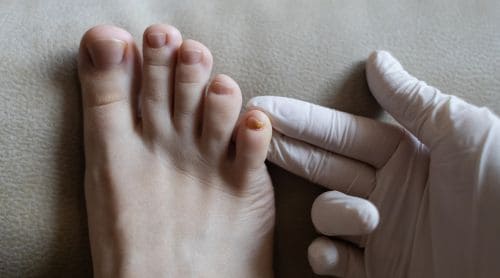
Fungal skin diseases are a growing challenge for physicians worldwide. From everyday cases of athlete’s foot to the alarming rise of drug-resistant pathogens like Candida auris, fungal infections require a sharp eye and updated treatment strategies. As a physician, you hold the power to stop these infections in their tracks, preventing them from spreading and causing severe complications for your patients.
In this guide, you’ll find practical, evidence-based approaches to identifying and treating fungal skin diseases. We’ll explore the latest treatment options, discuss emerging drug-resistant strains, and share strategies to protect your patients and your clinic. You can elevate your clinical practice and deliver exceptional care by mastering these techniques.

Understanding the rise of resistant fungal skin diseases
Fungi are incredibly resilient organisms that adapt quickly to environmental stressors. Recently, the medical community has seen a significant increase in drug-resistant fungal skin diseases. This rise is often linked to the overuse or improper use of antifungal medications, which forces fungi to evolve and build resistance.
Two of the most concerning drug-resistant pathogens are Candida auris and certain Trichophyton species. Candida auris is particularly alarming because it spreads rapidly in healthcare settings, resists multiple antifungal drugs, and persists on surfaces for extended periods. It often colonizes the skin without causing immediate symptoms, making it difficult to detect early.
Similarly, Trichophyton rubrum—a fungus that targets keratinized tissues like skin, nails, and hair—has developed resistance to standard treatments. This resistance complicates your ability to treat chronic dermatophyte infections, prolongs patient discomfort, and increases the risk of transmission in communal environments.
Related CE course for physicians: Identification and Treatment Approaches for Infectious Fungal Diseases and Other Skin Pathologies
Identifying common fungal skin diseases
Spotting fungal skin diseases early is your best defense against severe outbreaks. You’ll regularly encounter several common superficial mycoses in your practice.
- Onychomycosis: This infection affects the nails, causing them to become thick, discolored, and brittle. You might also notice a buildup of keratin under the nail or separation from the nail bed.
- Ringworm (tinea corporis): Despite its name, ringworm is a fungal infection that presents as red, scaly, and itchy patches. These patches often form a circular shape with a clear center.
- Athlete’s foot (tinea pedis): This condition thrives in warm, moist environments. Look for white, macerated skin between the toes, along with red, itchy, and flaky areas on the soles of the feet.
- Tinea versicolor: Caused by lipophilic yeasts, this infection disrupts normal skin pigmentation. Patients often present with lighter or darker patches on their chest, back, and neck, accompanied by fine scaling and minimal itching.
Best practices for treating fungal skin diseases
Treating fungal skin diseases requires a tailored approach based on the specific pathogen and its resistance profile. You’ve got several effective tools at your disposal to help your patients heal.
For mild, localized infections like ringworm or athlete’s foot, topical antifungals remain your first line of defense. Medications like clotrimazole or terbinafine applied directly to the affected area usually clear the infection within a few weeks.
When dealing with more severe or drug-resistant cases, you’ll need to escalate your approach.
- Echinocandins: These are often the primary treatment for resistant strains like Candida auris. They work by inhibiting the synthesis of the fungal cell wall.
- Azoles: While many resistant strains show reduced susceptibility to fluconazole, azoles are still highly effective for other Candida and general fungal infections.
- Polyenes: Amphotericin B serves as a backup option when echinocandins fail, though you must carefully monitor your patients for potential side effects like kidney damage.
In cases of multidrug resistance, you might consider combination therapy to overcome the infection and improve patient outcomes.
Implementing effective infection control
Preventing the spread of fungal skin diseases in your clinic is just as important as prescribing the right medication. You can protect your vulnerable patients by implementing strict infection control measures.
Start by enforcing rigorous hand hygiene protocols. Washing your hands with soap and water or using an alcohol-based hand sanitizer before and after patient contact significantly reduces transmission risks.
Environmental cleaning is another crucial step. Fungi can survive on inanimate objects, known as fomites, for long periods. Ensure your team thoroughly disinfects all surfaces, medical equipment, and patient rooms with products proven effective against resistant fungi.
If you suspect a highly contagious infection like Candida auris, isolate the patient and use contact precautions, including gloves and gowns. Early screening and prompt reporting to your local health authorities will help contain outbreaks and keep your practice safe.
Empowering patients through holistic care
You can further combat fungal skin diseases by promoting antifungal stewardship and holistic health. A strong, well-functioning immune system is a patient’s best natural defense against opportunistic infections.
Encourage your patients to adopt lifestyle habits that support their overall well-being. Discuss the importance of a nutrient-dense diet, adequate rest, and stress management. By strengthening their immune systems, you reduce their reliance on antifungal medications and help slow the development of drug resistance.
Educate your patients on proper personal hygiene. Advise them to thoroughly dry their skin after bathing, wear breathable fabrics, and avoid sharing personal items like towels or footwear. Small behavioral changes make a massive difference in preventing recurrent fungal skin diseases.
Frequently asked questions about fungal skin diseases
- What makes Candida auris so dangerous? It is highly resistant to multiple antifungal drugs and persists on surfaces for a long time. It easily spreads in healthcare facilities, especially among immunocompromised patients.
- How do you diagnose a fungal skin infection accurately? While a clinical examination is a great starting point, a potassium hydroxide (KOH) preparation or fungal culture provides a definitive diagnosis. These tests help you identify the exact species and tailor your treatment plan effectively.
- When should you prescribe oral antifungals over topical treatments? Topical antifungals work well for mild, localized infections. However, you should prescribe oral medications for severe, widespread, or treatment-resistant fungal skin diseases. Oral antifungals are also necessary for infections involving the nails or scalp.
Taking the next step in dermatological care
Treating fungal skin diseases effectively requires ongoing education and a proactive clinical approach. By staying informed about emerging pathogens and updating your treatment protocols, you’ll easily provide the highest level of care for your patients.
You have the expertise and the tools to manage these complex conditions. Keep refining your diagnostic skills, exploring new antifungal therapies, and advocating for strict hygiene practices in your clinic.
If you’re ready to expand your medical knowledge and stay ahead of clinical challenges, explore our extensive library of continuing education courses for physicians. You can easily access flexible, evidence-based learning materials designed specifically for dedicated healthcare professionals like you.