Every year, National Rehabilitation Awareness Week shines a spotlight on the incredible professionals who help people regain their independence and rebuild their lives. Whether you’re recovering from an injury, managing a chronic condition, or simply striving to live more comfortably, rehabilitation specialists are there every step of the way. This annual observance is not only a time to recognize their vital work but also an opportunity to understand the diversity and value of rehabilitation services.
What exactly do rehabilitation professionals do? What makes each of their roles unique and indispensable? Read on for fun, fascinating facts about various rehabilitation professions and learn how they make a difference in so many lives.
What is National Rehabilitation Awareness Week?
National Rehabilitation Awareness Week is a time dedicated to raising awareness about the benefits and importance of rehabilitation. It highlights the professionals who play a critical role in helping patients regain strength, mobility, and confidence after life-altering incidents or chronic health conditions.
This week recognizes rehabilitation’s impact on:
- Improving mobility and independence: Helping individuals regain the ability to carry out daily activities.
- Enhancing quality of life: Addressing pain, discomfort, or limitations caused by illness or injury.
- Promoting inclusivity and accessibility: Empowering individuals with disabilities to live full, independent lives.
Organized by the National Rehabilitation Awareness Foundation (NRAF), this week aims to educate the public about the value of rehab services and inspire support for those pursuing this rewarding career path.
Fun facts about rehabilitation professions
Rehabilitation is a multi-disciplinary field, with each profession playing a unique role in patient care. Let’s explore the fascinating work of these professionals and discover what makes their contributions truly extraordinary.
Physical therapists (PTs): Restoring mobility and strength
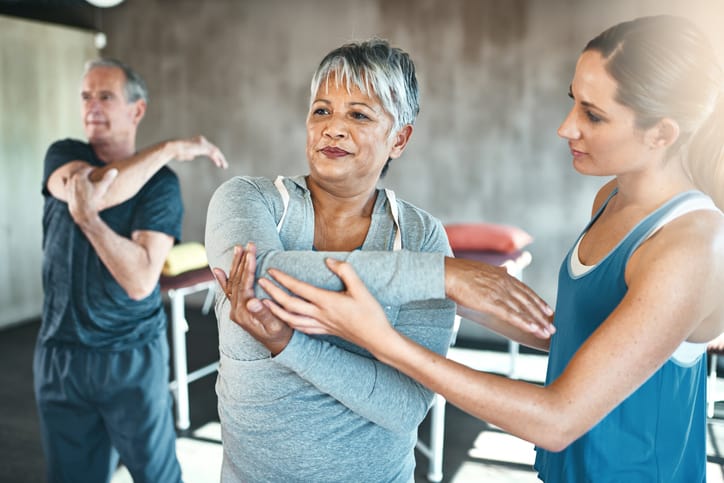
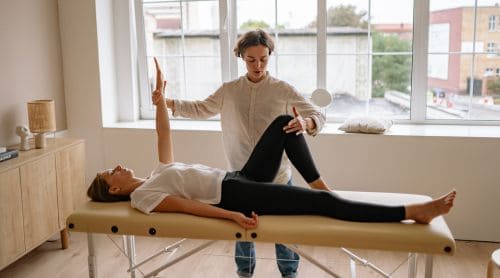
Physical therapists are movement experts who help patients recover from injuries, surgeries, or other health conditions affecting their mobility. Their focus is on reducing pain, improving strength, and helping patients regain movement.
Explore unlimited CEUs for physical therapists
Fun facts about physical therapists:
- The first physical therapy school in the United States was established in 1914 to treat soldiers injured in World War I.
- PTs treat patients across all age groups, from newborns to seniors over 90.
- Many PTs specialize in areas like pediatrics, sports medicine, or neurology.
- Studies suggest physical therapy can be as effective as surgery for conditions like knee osteoarthritis.
- PTs often use cutting-edge technology like virtual reality and robotic-assisted therapy to aid recovery.
- They customize exercise plans not just for athletes and accident victims, but also for chronic pain sufferers and elderly individuals to enhance their quality of life.
Occupational therapists (OTs): Making daily life easier
Occupational therapists ensure individuals can perform day-to-day tasks like eating, dressing, and working independently. They evaluate their patients’ environments and adapt tools, spaces, or activities to suit their needs.
Explore unlimited CEUs for occupational therapists
Fun facts about occupational therapists:
- The term “occupational” doesn’t just mean jobs; it covers everything people “occupy” their time with, like dressing, cooking, or driving.
- OTs work across diverse settings, from hospitals to schools and even private homes.
- They often collaborate with engineers to create tools and home modifications for their patients, such as wheelchair ramps or adaptive cutlery.
- The profession began during World War I when therapists helped soldiers re-integrate into civilian life.
Massage therapists (MTs): Promoting relaxation and reducing stress
Massage therapists use therapeutic bodywork and massage techniques to relieve stress, muscle pain, and tension. These modalities can help treat conditions stemming from prior injuries or medical procedures. Massage therapy is often considered a part of integrative medicine and is used in conjunction with other therapies, like physical therapy.
Explore unlimited CEUs for massage therapists
Fun facts about massage therapy:
- Massage therapy is one of the oldest healing practices in the world, dating back over 5,000 years. It was used in ancient cultures like China, Egypt, and India as a form of medicine and relaxation.
- Studies show that massage therapy can reduce cortisol levels (the stress hormone) while boosting serotonin and dopamine, which are the “feel-good” chemicals in the brain.
- There are over 80 different types of massage techniques, ranging from Swedish and deep tissue to unique styles like hot stone and Thai.
Other vital therapy professions worth celebrating
Each rehabilitation professional provides critical support tailored to a variety of needs. Here’s a quick shoutout to more heroes of the field who deserve attention:
- Athletic trainers focus on injury prevention and recovery for athletes of all levels.
- Dietitians help patients make dietary changes to support health goals during rehab.
- Speech-language pathologists focus on improving communication and swallowing functions, often working with patients recovering from strokes or neurological conditions, as well as children with developmental challenges.
Why rehabilitation awareness matters
Rehabilitation isn’t just about healing injuries or managing disabilities. It’s about restoring dignity and purpose to people’s lives. National Rehabilitation Awareness Week reminds us to celebrate:
- The human stories: Behind every success is a resilient patient and a dedicated therapist.
- Ongoing innovation: Rehabilitation professionals constantly adapt techniques to address new challenges, aided by technology.
- The power of community: These services often empower patients to reconnect with work, family, and social life.
Supporting rehabilitation doesn’t stop at gratitude. You can get involved by learning about these professions, donating to related charitable organizations, or simply sharing this article to spread awareness.
Support and celebrate rehabilitation today
Rehabilitation is the bridge between hardship and hope, and the professionals who dedicate their lives to this field deserve our admiration and gratitude. National Rehabilitation Awareness Week is the perfect time to learn, celebrate, and advocate for the causes, careers, and advancements that make rehabilitation accessible and impactful.
Interested in learning more about these life-changing professions or pursuing a career in rehabilitation? Check out our additional resources and join us in celebrating those who rebuild lives one step at a time.