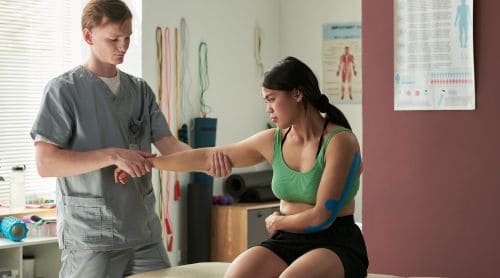
Are you looking for a career that truly changes lives? Physical therapy is a rewarding field with high demand and excellent job stability. The path to becoming a licensed physical therapist takes dedication, but the rewards are well worth the effort.
Understanding the role of a physical therapist
Physical therapists (PTs) act as movement experts, improving quality of life through hands-on care and patient education. A PT diagnoses and treats individuals of all ages. These patients often have medical problems or health-related conditions that limit their ability to move. The main goal is to reduce pain and restore function.

Who you will help
As a PT, you might work with athletes recovering from sports injuries, or you could help seniors manage arthritis or recover from falls. Some PTs work with children who have developmental delays. Others help stroke survivors regain their independence.
Where you will work
The work environment varies significantly. You can find PTs in:
- Hospitals
- Private outpatient clinics
- Schools
- Nursing homes
- Sports facilities
This diversity allows you to find a setting that fits your lifestyle. You can choose a path that matches your personal interests.
The path to licensure
Becoming a licensed physical therapist requires specific education and training. You must follow a structured path to ensure you are ready to treat patients safely. Here are the main steps to earn your license.
Step 1: Earn a Bachelor’s Degree
You need a bachelor’s degree before entering a doctoral program. Most aspiring PTs choose majors like biology, kinesiology, or exercise science. You must complete specific prerequisite courses during this time. These usually include anatomy, physics, and chemistry.
Step 2: Doctor of Physical Therapy (DPT) program
Next, you must attend a CAPTE-accredited DPT program. This graduate program typically lasts three years. You will study subjects like biomechanics, neuroscience, and pharmacology.
Step 3: Clinical training
Classroom learning is not enough; you also need hands-on experience. DPT programs include clinical rotations, where you’ll work under the supervision of a licensed physical therapist. This creates confidence and builds practical skills.
Step 4: Pass the national exam
Before you can receive your physical therapy license, you must pass the National Physical Therapy Examination (NPTE). This exam tests your knowledge and readiness to practice. Passing this test proves you have the skills to work safely.
Step 5: State licensure
Each state has its own specific licensing requirements. You must meet the rules for the state where you plan to work. This often includes a background check and a law exam.
Step 6: Continuing education
Learning never stops in healthcare. State boards require all PTs licensed in their states to complete regular continuing education units (CEUs) to keep your license active. This ensures you stay current with new treatments and research.
Browse CE courses for physical therapists
Is this path right for you?
Do you have what it takes to become a licensed physical therapist? Certain personality traits help you succeed in this role. Review this list to see if your interests align with the profession.
- Empathy: You must care deeply about your patients. They are often in pain or frustrated. A kind, understanding attitude helps them stay motivated during recovery.
- Communication: You need to explain complex medical terms simply. You also need to listen to patient concerns. Clear communication builds trust.
- Patience: Recovery takes time. You need patience to guide people through slow progress.
- Physical stamina: The job is active. You will stand, move, and lift throughout the day. It helps to enjoy physical activity.
- Love for learning: Medicine changes fast. A successful PT enjoys learning new techniques throughout their career.
Start your journey today
A career in physical therapy offers immense personal satisfaction. You help people get back to the lives they love. The journey requires hard work, but the outcome is a stable, meaningful career that can make a real difference in your patients’ lives.