Many veterinarians start their careers focusing on small companion animals like dogs and cats. While this path is incredibly rewarding, you might eventually find yourself looking for new ways to grow, challenge yourself, and increase your income potential. Taking the leap into veterinary entrepreneurship opens the door to exciting career opportunities. Expanding your practice allows you to serve unique animal populations, solve different types of clinical puzzles, and find renewed passion in your daily work.
If you’re ready to unlock your potential and build a more flexible, dynamic career, exploring a new veterinary specialty might be your perfect next step. We will highlight seven fascinating areas where you can expand your expertise, overcome career hurdles, and achieve your professional goals.

7 rewarding specialties for veterinary entrepreneurship
Expanding your clinic’s services requires a strategic approach to education, clinical practice, and personal development. Here is a look at seven specialties that offer incredible growth potential.
Large animal, equine, and livestock medicine
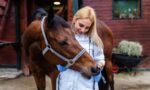
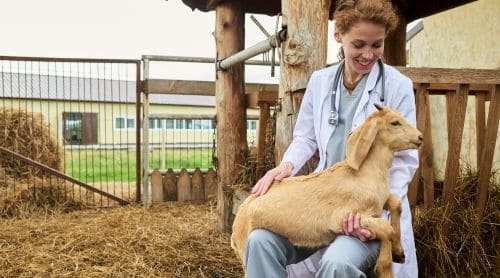
Stepping out of the clinic and into the pasture offers a completely different pace of life. Large animal and livestock medicine focuses on the health and productivity of horses, cattle, sheep, and pigs.
To succeed in this field, you need additional education in herd health management, large animal surgery, and field medicine. Clinical experience usually involves internships or working alongside seasoned large animal practitioners.
You will thrive in this specialty if you are physically resilient and enjoy working outdoors. Excellent communication skills are also essential, as you will work closely with farmers, ranchers, and breeders who view their animals as a vital part of their livelihood.
Explore CE courses for Florida veterinary professionals
Zoological and aquatic medicine
Working with zoo animals and marine life is a dream for many veterinary professionals. This highly specialized field involves treating everything from large primates to marine mammals and exotic reptiles.
This is a highly competitive career path. It typically requires board certification through the American College of Zoological Medicine (ACZM) and extensive clinical experience through specialized internships and residencies at accredited zoos or aquariums.
Personality-wise, you need to be highly adaptable and patient. Treating non-domesticated animals requires you to be observant and creative, as your patients cannot easily tell you what hurts, and standard medical equipment does not always fit the situation.

Poultry and avian medicine
Poultry medicine is a critical component of global agriculture and food safety. A major focus of this specialty involves preventing strains of avian flu and managing other infectious diseases that can devastate entire flocks.
Your educational focus will shift heavily toward flock health, epidemiology, and pathology. Clinical experience is often gained by working directly with agricultural operations, hatcheries, or government regulatory bodies.
This specialty requires a detail-oriented and analytical mindset. You must be comfortable working on a macro level, making decisions that affect the health of thousands of birds, and collaborating closely with public health officials.
Laboratory animal medicine
Laboratory animal medicine is essential for ensuring the ethical treatment and welfare of animals used in scientific research. This is a highly structured field that plays a vital role in medical advancements.
Veterinary professionals in this area typically seek board certification through the American College of Laboratory Animal Medicine (ACLAM). You’ll need a deep understanding of animal welfare regulations, facility management, and research protocols.
If you’re precise, highly organized, and have a strong ethical sense, this could be a perfect fit. It’s an excellent path for professionals who enjoy corporate or academic environments and prefer a highly regulated, predictable daily routine.
Veterinary sports medicine
Just like human athletes, working dogs and performance horses need specialized care to stay at the top of their game. Veterinary sports medicine focuses on orthopedics, physical rehabilitation, conditioning, and injury prevention.
To expand your practice into this area, you should pursue board certification through the American College of Veterinary Sports Medicine and Rehabilitation (ACVSMR). Clinical experience involves working heavily with physical therapy modalities, ultrasound, and specialized surgical techniques.
This field requires an energetic and encouraging personality. You will spend a lot of time motivating both your animal patients and their dedicated, highly invested owners through long recovery and conditioning processes.
Wildlife population medicine and health
If you’re passionate about conservation, wildlife population medicine allows you to focus on the health of entire species and ecosystems rather than individual pets. Your education will need to include ecology, conservation biology, and epidemiology. Clinical experience is mostly field based, often requiring partnerships with government wildlife agencies, environmental nonprofits, or national parks.
This specialty demands resilience and a sense of adventure. You must be comfortable working in remote, sometimes harsh environments, and possess a deep passion for environmental stewardship and global health.
Animal shelter medicine
Shelter medicine is a rapidly growing field dedicated to the unique health and behavioral needs of homeless animals. It blends individual patient care with herd health principles.
Education in this field emphasizes infectious disease control, behavioral assessments, and high-quality, high-volume spay and neuter techniques. Clinical experience is gained by working directly within animal shelters, rescue groups, or municipal animal control facilities.
To succeed here, you need immense compassion and emotional resilience. It’s a demanding but incredibly fulfilling specialty that empowers you to make an immediate, tangible difference in your local community.
Take the next step in your career
Veterinary entrepreneurship is all about taking control of your future and finding the work that truly excites you. Whether you want to rehabilitate athletic dogs, protect wildlife populations, or manage large agricultural flocks, there is a clear path to success.
Take some time to research the specialty that sparks your interest. Look for flexible online continuing education courses to build your knowledge base, and start networking with peers who already work in these exciting fields. You have the power to shape your career exactly how you want it!