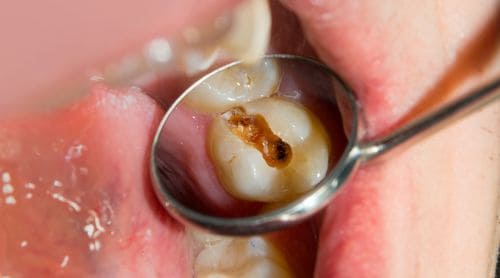
Erosion-related tooth wear is an increasingly prevalent concern in modern dentistry. Unlike caries, which results from bacterial metabolism, erosion is the chemical loss of enamel and dentin due to direct acid contact, without bacterial involvement.
Often subtle in its early stages, this condition can lead to significant structural loss, sensitivity, functional impairment, and aesthetic concerns if left unmanaged. Given the multifactorial nature of erosion and its growing incidence, dental professionals must be equipped to identify, diagnose, and manage erosion-related tooth wear effectively.

Related: Erosion-Related Tooth Wear
What is erosion-related tooth wear?
Erosion refers to the irreversible loss of tooth structure caused by acids of non-bacterial origin. These acids can be extrinsic, coming from dietary sources, or intrinsic, such as gastric acids from reflux or vomiting.
The enamel becomes softened and, over time, is worn away by mechanical forces like brushing or chewing. This form of tooth wear differs from attrition (tooth-to-tooth contact) and abrasion (external mechanical forces like brushing), although it often coexists with them.
Key characteristics of erosion-related wear
- Smooth, glazed, or “cupped” enamel surfaces
- Shiny, flattened occlusal surfaces
- Increased dentin exposure and hypersensitivity
- Thinning of incisal edges
- Loss of surface anatomy
Prevalence and contributing factors
The prevalence of dental erosion is rising, particularly among younger populations. According to the National Health and Nutrition Examination Survey (NHANES), over 30% of adolescents in the United States exhibit signs of erosive tooth wear, a trend linked to lifestyle and dietary habits.
Common contributing factors to erosion-related tooth wear
- Dietary acids: Frequent consumption of citrus fruits, soda, energy drinks, and vinegar-based foods
- Gastrointestinal disorders: GERD, bulimia, chronic vomiting, and morning sickness
- Occupational exposure: Industrial workers in acidic environments (e.g., battery manufacturing)
- Medications: Vitamin C supplements, aspirin, and certain antihistamines with acidic pH
Clinical detection and diagnosis
Accurate diagnosis of erosion-related tooth wear involves a combination of patient history, clinical examination, and ongoing monitoring. Since erosion progresses slowly, early detection is key to minimizing long-term damage. Diagnostic strategies include:
- Patient interview: Identify dietary habits, medical history, frequency of acidic food/drink consumption, or symptoms of reflux.
- Visual inspection: Look for characteristic lesions on enamel, often shiny, rounded, or flattened surfaces.
- Tooth wear indices: Use tools like the Basic Erosive Wear Examination (BEWE) to grade and track wear severity.
- Photography and study models: For documentation and comparison over time.
The role of dental professionals in preventing erosion-related tooth wear
Prevention of erosion-related tooth wear starts with patient education and behavior modification. Dental professionals play a central role in helping patients understand the causes and consequences of erosion and guiding them toward protective habits.
Preventive measures include:
- Advising patients to limit acidic food and beverage intake, particularly between meals
- Encouraging straw use when consuming acidic drinks to minimize contact with teeth
- Recommending waiting 30 minutes after acid exposure before brushing to prevent enamel loss
- Prescribing fluoride toothpaste or varnishes to enhance enamel resistance
- Using remineralizing products containing calcium phosphates (e.g., CPP-ACP)
Treatment options to restore form and function
Once erosion leads to structural loss, restorative intervention may be necessary. The choice of treatment depends on the severity, location, symptoms, and patient expectations.
Treatment modalities
- Non-invasive:
- Fluoride varnishes or gels for remineralization
- Desensitizing agents for exposed dentin Monitoring with photographic records and indices
- Minimally invasive:
- Composite resin restorations to rebuild contours
- Resin infiltration techniques for early lesions
- Invasive:
- Full-coverage crowns for severe tooth structure loss
- Onlays and overlays for functional restoration of posterior teeth
Early intervention helps preserve tooth structure and avoids the need for complex, costly rehabilitation.
Multidisciplinary collaboration
Because erosion often stems from systemic or behavioral causes, dental professionals should not manage it in isolation. Collaboration with medical providers, nutritionists, or mental health professionals may be necessary in cases linked to GERD, eating disorders, or compulsive dietary patterns.
When to refer your dental patient
- Suspected GERD or gastrointestinal issues
- Evidence of eating disorders or self-induced vomiting
- Chronic hypersensitivity unresponsive to topical treatment
- Severe tooth wear affecting function and esthetics
Timely referrals can ensure comprehensive care and improve patient outcomes beyond the dental chair.
Understanding the patient’s perspective
Erosion-related tooth wear often progresses without pain, which may delay patients from seeking help. Dental professionals must educate patients compassionately about the risks and encourage preventive behaviors before damage becomes irreversible.
Helpful patient talking points
- “Enamel does not grow back. Protecting what you have now is key.”
- “What you eat and drink daily has a direct impact on your teeth—even healthy options like lemon water.”
- “Let’s work together to strengthen your teeth and preserve their appearance long-term.”
Conclusion
Erosion-related tooth wear is a growing concern in modern dental practice, fueled by lifestyle, dietary habits, and systemic conditions. Dental professionals are uniquely positioned to detect early signs, educate patients, and implement preventive and restorative solutions.
Through a combination of early detection, behavior modification, protective treatments, and interdisciplinary collaboration, clinicians can significantly reduce the long-term impact of erosion on patients’ oral health and quality of life.