Maybe you’ve seen it before. A patient does their best to take care of their teeth, and yet, somehow, they keep showing up in your chair with new cavities. Dental caries is a highly preventable disease, yet it affects a vast majority of the population. When you work with patients who seem constantly vulnerable to decay, it takes more than a quick reminder to brush and floss to make a real difference.
As a dental professional, you have the power to help these patients break the cycle of decay. By taking a closer look at the underlying causes of their recurring cavities, you can offer personalized solutions that truly protect their teeth. Partnering with your patients through education and proactive treatment helps them take control of their oral health.

This post will guide you through effective ways to manage and treat caries-prone patients. You’ll learn about the root causes of recurring cavities, discover practical prevention techniques, and pick up communication tips that encourage lasting behavioral changes.
Related CE course for dentists: Caries-Prone Patients: Prevention, Assessment, and Interventions, 3rd Edition
Understanding the causes of recurring cavities
To effectively treat your caries-prone patients, you need to look at the four main factors that drive the caries process. These include caries-causing microorganisms, a susceptible tooth surface, fermentable carbohydrates, and time. When all these elements align, the risk of developing new lesions skyrockets.
Dental plaque biofilm houses bacteria like Streptococcus mutans and Lactobacillus. These microorganisms feed on fermentable carbohydrates from your patient’s diet. As they break down sugars, they produce acid. This acid lowers the pH of the saliva and plaque biofilm, leading to the demineralization of tooth enamel.
Time and frequency also play a massive role. The more often a patient consumes sugary snacks or acidic beverages, the longer their teeth remain in a demineralized state. Helping patients understand this simple chain reaction empowers them to make better daily choices.
Identifying susceptible tooth surfaces
Not all tooth surfaces are equally equipped to fight off decay. Teeth that lack optimal fluoride exposure are naturally more vulnerable to acid attacks. Additionally, patients experiencing gingival recession face a much higher risk of developing root caries, as the exposed roots lack the protective enamel layer.
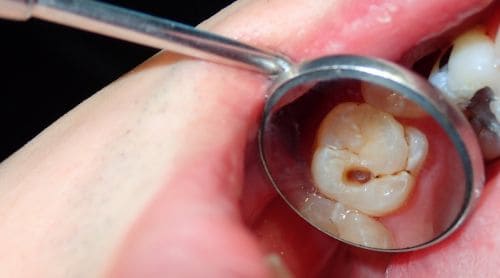
You can use a combination of detection methods to spot early warning signs. Visual and tactile examinations help you find large pit and fissure lesions. Meanwhile, using an air/water syringe to dry the teeth makes dull, chalky, demineralized areas easier to see.
Catching these susceptible areas early allows you to intervene before a cavity fully forms. When you spot white spot lesions or early demineralization, you instantly know this patient requires a more proactive prevention strategy.
Practical treatment and prevention tips
Once you identify your caries-prone patients, you can implement targeted treatments to protect their smiles. Fluoride remains one of the most effective tools in your prevention arsenal. It strengthens enamel and enhances the remineralization of impaired tooth surfaces.
For patients at high risk, recommend prescription-strength fluoride toothpaste for at-home use. You should also apply 5% sodium fluoride varnish during their hygiene visits. This extra layer of protection is highly beneficial for patients with poor oral hygiene, orthodontic appliances, or dry mouth.
You can also protect vulnerable pits and fissures by applying dental sealants. Sealants create a physical barrier that keeps food particles and plaque out of the deep grooves on the chewing surfaces. Combining sealants with routine fluoride applications provides your patients with a robust defense against future decay.
Harnessing the power of xylitol
Xylitol is a sugar substitute worth recommending to your patients who are concerned about cavity prevention. Because oral bacteria cannot break xylitol down into acid, it actively helps prevent dental caries. It also inhibits the buildup of plaque and contributes to the remineralization process.
Encourage your patients to chew xylitol-sweetened gum or use xylitol mints after meals. Replacing regular sugar with xylitol significantly reduces the primary cariogenic bacteria in their mouth. It is an easy, convenient habit that most patients are happy to adopt.
Just remind your patients to introduce xylitol gradually. Consuming large amounts too quickly can cause mild gastrointestinal upset. A few small exposures throughout the day provide the optimal defense against cavity-causing bacteria.
Key communication tips for dental professionals
Talking to patients about their diet and oral hygiene habits requires a supportive, non-judgmental approach. If you simply hand out advice or lecture them, they might tune you out. Instead, try using motivational interviewing techniques to spark genuine behavioral changes.
Start by asking open-ended questions about their daily routines. Ask them what they typically eat for lunch or how often they sip on soda throughout the day. Listen actively and validate their challenges. When patients feel heard, they become much more receptive to your professional guidance.
Explain the “why” behind your recommendations using simple, clear language. When a patient understands that sipping a sports drink keeps their mouth acidic for hours, they are more likely to rethink their habits.
Setting realistic dietary goals
When providing nutritional counseling, keep your recommendations highly practical. Asking a patient to completely eliminate their favorite foods will usually lead to frustration and poor compliance. Focus on small, manageable adjustments that yield big results over time.
Help your patients set achievable goals. For example, suggest they limit soda consumption strictly to mealtimes rather than sipping it all afternoon. Encourage them to drink water after snacking to help clear away food debris and neutralize oral acids.
Celebrate their small victories at every recall appointment. Recognizing their progress boosts their confidence and motivates them to maintain their new, healthy habits.
Take the next step in patient care
Treating caries-prone patients is incredibly rewarding when you see their oral health transform. By combining early assessment, targeted preventive treatments, and encouraging communication, you give your patients the tools they need to succeed.
You can make a lasting impact on your patients’ lives by refining how you approach cavity prevention. Start incorporating these simple dietary questionnaires and motivational interviewing techniques into your practice today. If you want to expand your clinical skills even further, explore our comprehensive continuing education courses designed specifically for dedicated dental professionals.