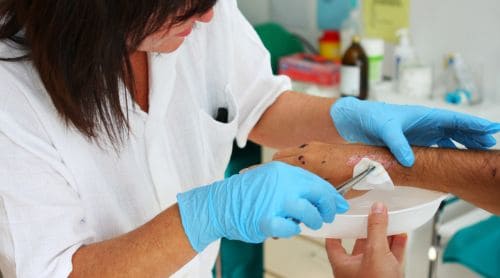
Human skin is one of the most important and often overlooked organs in the body. Skin problems are the third highest costing problem in the United States, falling just behind cardiovascular disease and cancer. Nearly 60,000 patients die each year as a result of a pressure ulcer or skin injury, making proper wound care a high priority for healthcare professionals.
Healthcare providers can often get distracted by acute illnesses or injuries, which causes them to neglect proper skincare, overlook developing wounds, or forget to cover at-risk areas and pressure points. Patients with diabetes, poor circulation, limited mobility, and inadequate nutrition are at the highest risk of skin breakdown and injury. A study published in the International Journal of Preventive Medicine showed that the rates of pressure ulcers are as high as 18% for patients in orthopedic inpatient centers.

Related CE course for nurses: Skin and Wound Care: What You Need to Know, 2nd Edition
Phases of wound healing
There are four distinct phases of wound healing.
- Homeostasis. This is where the body tries to stop bleeding at the injury site. Vasoconstriction, platelet aggregation, and clot formation are the primary processes during this phase. In a healthy adult, this phase lasts about 2 hours.
- Inflammation. After a clot has formed, the body sends white blood cells to the area to remove dead cells and bacteria. Patients often experience pain, warmth, redness, and swelling during this phase. In larger wounds, the inflammatory phase can last up to two weeks.
- Proliferation. This is the body’s way of healing itself after an injury. The proliferation phase may overlap with the inflammatory phase.
- Remodeling. This is the final phase of wound healing, and typically begins about 3 weeks after the original injury. Remodeling creates scar tissue, which is only about 80% as strong as the original tissue. The remodeling phase can last a year or even longer.
Assessing and documenting wound care
Healthcare providers, especially nurses, play an important role in the assessment and documentation of patient wounds. In hospital patients, a wound that is not identified and charted within the first 24 hours of admission is classified as a hospital-acquired injury.
When documenting a wound, especially a pressure injury, be as detailed as possible while charting. Many hospitals have implemented systems that allow caregivers to upload pictures of injuries directly into the patient’s chart. Thoroughly documented the size, depth, stage, color, drainage, and care of each wound.
The National Quality Forum considers any stage 3 or 4 injury a serious reportable event.
Related CE course for nurses: Ostomy Care Continuum: Best Practices in Inpatient, Outpatient, and Home Health
Common causes of wounds
The Wound Care Center explains that there are two possible origins of wounds: internal and external. External wounds can be open or closed and are caused by some external force on the body. The most common types of external wounds include:
- Contusions
- Hematomas
- Crush injuries
- Abrasions
- Lacerations
- Incisions
- Punctures
- Penetrating
Problems with internal body systems cause internal wounds. This happens when skin breaks down despite otherwise normal conditions, or a small injury becomes significantly worse due to an underlying medical condition. These wounds are typically caused by:
- Poor circulation
- Immobility
- Neuropathy
- Hypertension
- Hyperlipidemia
- Arthrosclerosis
- Diabetes mellitus
- AIDS
- Malignancy
- Morbid obesity
- Venous stasis
- Hepatitis C virus
Acute vs. chronic wounds
Acute wounds are usually caused by external factors and follow a normal healing schedule. Even large acute wounds should show significant healing by four weeks after the injury.
Chronic wounds are classified as wounds that fail to heal after 4 to 6 weeks of treatment. An American Family Physician article notes that chronic wounds preceded 85% of diabetic amputations, and that the five-year mortality rate after developing a diabetic ulcer was nearly 40%. Chronic wounds are at a high risk of infection, can lead to depression, and have many other long-lasting consequences.
Wound prevention
Because skin problems and chronic wounds can have such devastating consequences, wound prevention among high-risk and hospitalized patients should be a priority for all healthcare providers.
The best strategy for wound prevention is frequent and thorough skin checks. Frequent monitoring allows caregivers to identify at-risk areas or stage 1 pressure ulcers before they progress to something more serious. When an area of concern is identified, take specific measures to ensure that the skin in that area remains healthy and intact.
Other strategies for wound prevention include:
- Keeping the skin dry but hydrated
- Frequent repositioning of immobilized patients
- Using compression devices to prevent venous stasis
- Encourage mobility
- Use pressure-reducing devices for at-risk patients
- Offer nutritious and high-protein meals
- Encourage good hygiene and hand washing
Wound care and treatment
Treatment strategies for wounds depend on their type, severity, and any underlying medical conditions the patient may have. Acute wounds are more easily treated, with treatment aimed at cleaning and closing or covering the wound. Large acute wounds may require stitches or surgery. Wounds caused by external injuries may need antibiotic cream or even oral antibiotics to destroy bacteria that enter the tissue via the offending object.
Chronic wounds are much more difficult to treat and often require the expertise of a specialized wound care team. These wounds may need special ointments, creams, and dressings that are removed and reapplied each day or every other day. Chronic wounds often need irrigation and debridement to help healthy tissue grow. Severe chronic wounds may require surgery or skin grafting for healing.
Hyperbaric chambers are often used for adults with large, chronic wounds. This hyper-oxygenates the tissues and encourages better wound healing.
All types of wounds require good circulation and adequate nutrition for healing. Nurses and other healthcare providers providing wound care can ensure that their patients are receiving adequate oxygenation, look for signs of good perfusion, and encourage a healthy diet.