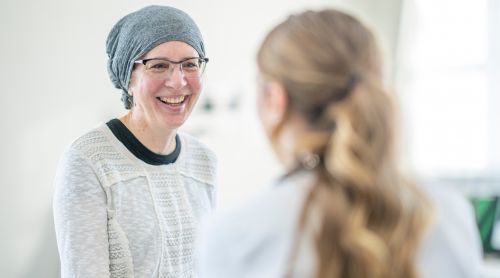
As a salon professional, you build strong, lasting relationships with your clients. You celebrate their milestones, listen to their struggles, and help them feel confident in their own skin. When a beloved client shares that they have been diagnosed with cancer, you naturally want to support them. You might wonder how you can safely adjust your services to accommodate their changing physical needs.
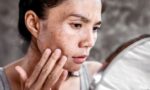
That is where the practice of oncology esthetics comes in. Cancer treatments take a massive toll on the body, especially the skin. Chemotherapy and radiation can cause severe dryness, blistering, and extreme sensitivity. At the same time, these treatments compromise a patient’s immune system, making traditional spa and salon services potentially dangerous.

By understanding the fundamentals of oncology esthetics, you can empower yourself to provide compassionate, safe, and effective care. This guide will walk you through your scope of practice, safe ways to support clients during active treatments, and the proper protocols for welcoming them back to your chair once they enter recovery. You can succeed in making a real difference in your clients’ lives during their most difficult moments.
Related CE course for salon professionals: Introduction to Oncology Esthetics
Understanding the basics of cancer treatments
Cancer is an extremely complex disease that involves rapid, uncontrolled cellular division. To fight it, oncologists use aggressive treatments like surgery, chemotherapy, and radiation. These treatments are life-saving, but they carry intense side effects that directly impact the work you do as an esthetician, hair stylist, or nail technician.
Chemotherapy drugs travel throughout the entire body to kill rapidly growing cancer cells. Unfortunately, they also kill healthy cells. This leaves the patient with an extremely weakened immune system. A simple fever or minor infection from a small cut can put a cancer patient in the hospital. Chemotherapy can also cause rare skin reactions, such as blistering on the palms and soles of the feet, loss of elasticity, and severe hyperpigmentation.
Radiation therapy aims high doses of radiation at specific areas of the body to kill tumors. Because radiation essentially burns the treatment area, clients often experience blistered, hardened, and highly sensitive skin in those localized spots.
Understanding these physical changes is the first step in protecting your clients. You want to offer comfort, but you must recognize that their bodies cannot handle standard professional skincare products or the potential bacteria present in a busy salon environment during this vulnerable time.
Related CE course for salon professionals: An Introduction to Chemistry in Cosmetics
Knowing your scope of practice as a professional
As you explore oncology esthetics, you must clearly understand your legal and professional boundaries. We are in the beauty and wellness industry, not the medical field. Unless you hold an active medical or nursing license, you cannot diagnose conditions or offer medical advice.
Rules vary by state, but using misleading titles can land you in serious legal trouble. For example, in many states, using the term “medical esthetician” or even “oncology esthetician” on your website or advertising violates state board regulations. You are an esthetician for all legal purposes. You can pursue continuing education and earn certifications to better understand cancer care, but you must only advertise the exact title listed on your state license.
Staying within your scope of practice protects both your business and your clients. Your role is to provide compassionate, cosmetic care and a safe space for your clients to relax, without crossing the line into medical treatment.

How to support clients during active treatment
During active chemotherapy or radiation, your client’s immune system is far too compromised to safely receive traditional spa treatments. Bringing them into a bustling salon environment puts them at risk for infections. Additionally, the chemicals in standard facial products can cause severe allergic reactions on highly sensitized skin. There is no safe facial to perform during active chemotherapy.
Fortunately, you can still support your clients through their journey. Here are a few safe and impactful ways to show you care:
- Send regular texts, emails, or handwritten cards to check in. Cancer can be isolating, and your kindness will not be forgotten.
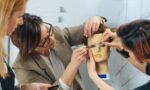
- Offer complimentary eyebrow shaping or makeup tutorials. Many patients lose their hair and eyebrows, and showing them how to redraw their brows can restore a sense of normalcy and confidence.
- Send a special treat or a floral arrangement to lift their spirits.
- Offer a complimentary hydrating facial to look forward to once their oncologist clears them to return to the salon.
These simple gestures allow you to maintain your connection and offer emotional support without interfering with their medical treatments or putting their health at risk.
Spotting potential skin issues with the ABCDE method
As a beauty professional, you spend a lot of time looking closely at your clients’ skin, scalp, and nails. You might be the only person outside of their doctor who regularly observes these areas. This gives you a unique opportunity to spot potential warning signs early.
If you notice a suspicious mole or skin change, never act like a doctor and never scare your client. Instead, calmly ask them about their sun protection habits and suggest they schedule a routine skin check with a dermatologist.
You can use the ABCDE method to identify potentially troublesome moles:
- Asymmetry: One half of the mole does not match the other half.
- Border: The edges are ragged, blurred, or irregular.
- Color: The mole has uneven shades of brown, black, blue, white, or red.
- Diameter: The spot is larger than the eraser on a standard pencil.
- Evolving: The mole is changing in size, shape, or color, or it begins to itch or bleed.
Arming yourself with this basic knowledge allows you to gently guide your clients toward the medical care they might need.
Safely welcoming clients back to your chair
You can safely welcome your client back for services once they have finished their active treatments and provided a written release from their oncologist. Keep this doctor’s note in their file.
Before starting any service, have your client complete a new, updated consultation form. Ask them about the specific treatments they received, if lymph nodes were removed, and if they still have a chemotherapy port implanted in their chest. You must avoid massaging or applying pressure near a port or areas where lymph nodes were removed.
Their skin will likely be dry, sensitive, and lacking elasticity. Your goal is to repair and restore the skin’s natural barrier function. Keep your treatments incredibly gentle:
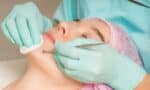
- Use a basic hydrating facial protocol with occlusive products to prevent water loss.
- Skip harsh physical exfoliation. If necessary, use a very light, all-natural enzyme.
- Use extremely light pressure during any massage or extractions.
- Incorporate antioxidant serums (like vitamins A, C, and E or green tea extract) to help calm cellular inflammation.
By taking these gentle, thoughtful steps, you can help your client feel comfortable and cared for as they navigate their recovery.
Take the next step in your career growth
Learning how to safely care for clients affected by cancer is a powerful way to elevate your career and deepen your client relationships. You have the potential to make a massive impact simply by adjusting your approach and prioritizing safety and compassion.
If you’re eager to expand your knowledge and unlock your full potential, continue exploring flexible learning options that fit your schedule. By seeking out evidence-based courses and reliable resources, you will build the career-boosting skills needed to confidently handle any situation that comes your way.