It’s a staple of so many holiday films. Sandwiched somewhere between the small-town Christmas parade, the romantic miscommunication, and the awkward family dinner, there’s a brief but meaningful visit to the hospital. From kitchen mishaps to travel troubles, the holidays present unique risks—and healthcare professionals are not exempt. Understanding common holiday injuries is the first step toward a safer, more festive season for everyone.

Kitchen catastrophes
The kitchen is the heart of holiday celebrations, but it’s also a hotspot for injuries. High-pressure meal preparations can lead to unfortunate accidents if you’re not careful.
1. Deep-fryer dangers
A deep-fried turkey might sound delicious, but it’s a leading cause of holiday burns. Placing a frozen or partially thawed turkey into a vat of hot oil can cause a massive grease fire. The hot oil can also splash, leading to severe burns.
How to avoid it:
- Thaw your turkey completely before frying.
- Fry the turkey outdoors, away from your house and any flammable materials.
- Never leave the fryer unattended.
New to deep drying turkeys? Here’s a handy safety guide from FEMA.
2. Burns and scalds
Hot ovens, boiling pots, and sizzling pans are everywhere during holiday cooking. It’s easy to get burned when you’re rushing to get dinner on the table. A simple slip can result in painful scalds from hot liquids.
How to avoid it:
- Use oven mitts and turn pot handles toward the back of the stove.
- Maintain a clear path in the kitchen to avoid tripping while carrying hot dishes.
- Keep small children and pets out of the kitchen when it’s in use.
- Have a fire extinguisher nearby and know how to use it.
3. Nasty knife nicks
Carving the turkey, chopping vegetables, and opening gifts all involve sharp objects. A slip of the knife can lead to deep cuts that require medical attention. Rushing through food prep increases this risk significantly.
How to avoid it:
- Use a sharp, appropriate knife for the task.
- Cut on a stable, flat surface and always direct the blade away from you.
- Keep your fingers curled away from the blade while chopping.
Related CE course for nurses: Challenges in Managing Foodborne Illness: A Public Health Concern, 2nd Edition
Decking the halls disasters
Decorating is a cherished holiday tradition, but it comes with its own set of hazards. From hanging lights to setting up the tree, a little extra caution can prevent a trip to the emergency room.
4. Falls from heights
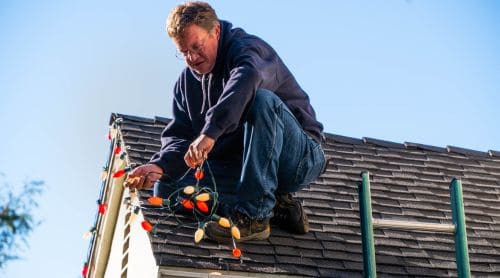
Clark Griswold isn’t the only one who takes a tumble while hanging holiday lights. Falling from a ladder is one of the most common holiday injuries. Unstable ladders, slippery rungs, or overreaching can lead to broken bones, serious trauma, or even death.
How to avoid it:
- Use a sturdy ladder placed on level ground.
- Have someone spot you while you’re on the ladder.
- Avoid overreaching; move the ladder instead.
5. Scissor mishaps
Wrapping presents can turn painful if you’re not careful with your scissors. Distractions or trying to cut through tough plastic packaging can easily lead to puncture wounds or deep lacerations on your hands.
How to avoid it:
- Always cut away from your body.
- Use a box cutter for difficult packaging.
- Keep scissors out of reach of small children.
6. Festive fire hazards
A beautiful Christmas tree can quickly become a fire hazard. Dry trees, faulty lights, and flammable decorations create a dangerous combination. House fires can start in an instant and spread rapidly.
How to avoid it:
- Water your live tree daily.
- Use lights that are rated for indoor use and check for frayed wires.
- Keep your tree away from heat sources like fireplaces or space heaters.
General holiday hazards
Beyond the kitchen and decorations, other holiday activities carry risks. Traveling to see family and navigating winter weather require extra attention.
7. Driving dangers
Holiday travel often means crowded roads and potentially hazardous weather. Rushing to reach a destination can lead to accidents. Driving under the influence is also a major concern during this festive time.
How to avoid it:
- Plan your route ahead and allow for extra travel time.
- Never drink and drive; designate a sober driver.
- Ensure your vehicle is prepared for winter conditions.
8. Slips and falls
Icy sidewalks, wet floors, and cluttered entryways are common during the holidays. A simple slip can result in sprains, fractures, or head injuries, dampening the holiday spirit for everyone involved.
How to avoid it:
- Keep walkways clear of ice and snow.
- Use rock salt or other ice melters on steps and slippery outdoor surfaces.
- Wear appropriate footwear with good traction.
- Clean up spills immediately and keep entryways clear of clutter.
9. Family feuds
Mixing family, strong opinions, and alcohol can sometimes be a recipe for disaster. Heated arguments can escalate into physical altercations, leading to injuries and strained relationships that last long after the holidays end.
How to avoid it:
- Set boundaries and know when to step away from a tense conversation.
- Moderate alcohol consumption.
- Focus on enjoying each other’s company and finding common ground.
Related CE course for nurses: Crisis Resource Management
10. Reindeer-related risks
Finally, be on the lookout for unusual holiday hazards. While grandmothers getting run over by reindeer of lore is highly unlikely, it’s a festive reminder to expect the unexpected. Pets might chew on decorations, or a new toy could cause a trip-and-fall.
How to avoid it:
- Stay alert and aware of your surroundings.
- Keep an eye on pets and small children.
- Embrace a little bit of holiday humor to keep spirits bright.
Have a safe and happy holiday season
As healthcare professionals, you know better than anyone how quickly a celebration can turn into a crisis. Share these tips with your patients, family, and friends to promote a safer holiday season for all. Staying mindful and prepared allows everyone to focus on what truly matters: creating warm memories with the people they love.