As nurses, we are often the first to field questions from patients about emerging health trends. You’ve likely heard the buzz surrounding psychedelic medicine in the news or perhaps even had a patient ask if “magic mushrooms” could help their depression. It’s an exciting time in medicine, but it can also be confusing. While some natural psychedelics have a long history of recreational use or traditional ritualistic use, the current medical conversation is focused on their potential to treat mental health disorders like depression, anxiety, and PTSD.
This guide provides a foundational overview of natural psychedelics, their mechanisms, safety concerns, and the current state of research, empowering you to navigate these conversations with confidence and evidence-based knowledge.
What are natural psychedelics?
Natural psychedelics are substances derived from plants that can produce altered states of consciousness. Historically, cultures around the world have used them for centuries in sacred rituals and healing ceremonies. Today, modern medicine is reinvestigating them for their therapeutic potential.
Related CE course for nurses: Natural Psychedelics
To understand these substances, it helps to know the terminology:
- Psychedelics: These substances cause strong alterations in perception, mood, and cognitive processes. Users may experience intensified colors, sounds, and emotions, or feelings of deep understanding. Common examples include psilocybin (found in mushrooms) and dimethyltryptamine (DMT).
- Dissociatives: These cause feelings of detachment from the body or environment. An example is ketamine, though it is synthetic, not natural.
- Deliriants: These induce a state of confusion or lack of control. Plants like jimsonweed fall into this category but are generally considered toxic and are not typically the focus of therapeutic psychedelic research.
Most current therapeutic research focuses on psychedelics that act on the serotonin system, specifically the 5-HT2A receptor. This is significant because the serotonin system is deeply involved in mood regulation, anxiety, and cognition.
Related CE course for nurses: Psychedelic Medicine and Interventional Psychiatry

Common natural psychedelics in research
While many plants have psychoactive properties, a few key players dominate the current research landscape. Here is a breakdown of the most commonly discussed natural psychedelics.
Psilocybin (magic mushrooms)
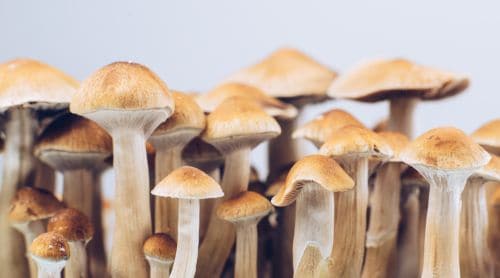
Psilocybin is found in various species of mushrooms, most notably the Psilocybe genus.
- How it works: Psilocybin is a prodrug that the body converts into psilocin. Psilocin then acts on serotonin receptors in the brain.
- Therapeutic potential: Research suggests psilocybin may be effective for treating major depressive disorder and anxiety, particularly in patients with life-threatening diagnoses like cancer. Some studies have shown that when combined with psychotherapy, psilocybin can lead to significant and sustained reductions in depressive symptoms.
- Safety profile: Common side effects include nausea, headache, and transient increases in blood pressure and heart rate. While generally considered physiologically safe in controlled settings, it can cause anxiety or paranoia in some users.
Ayahuasca (DMT)
Ayahuasca is a brew traditionally used in Amazonian rituals. It is typically made from the Banisteriopsis caapi vine and Psychotria viridis leaves.
- How it works: The brew contains DMT, a powerful psychedelic, and monoamine oxidase inhibitors (MAOIs) from the vine, which prevent the breakdown of DMT in the stomach, allowing it to be active orally.
- Therapeutic potential: Observational studies suggest benefits for treatment-resistant depression, grief, and substance use disorders.
- Safety profile: Ayahuasca often causes significant nausea and vomiting (known as “purging”). It can also interact dangerously with other medications, particularly antidepressants (SSRIs/MAOIs), due to the risk of serotonin syndrome.
Ibogaine (iboga)
Derived from the root bark of the African shrub Tabernanthe iboga, ibogaine is unique among psychedelics.
- How it works: Ibogaine acts on multiple neurotransmitter systems, including serotonin, opioid, and NMDA receptors.
- Therapeutic potential: It is primarily researched for treating opioid addiction and withdrawal. Anecdotal reports and case series suggest it may reduce withdrawal symptoms and cravings significantly.
- Safety profile: Ibogaine carries serious cardiac risks, including QT interval prolongation and life-threatening arrhythmias. Because of these risks, it requires rigorous medical monitoring and is not recommended for casual use.
The difference between clinical and recreational use
One of the most important distinctions for nurses to make is between the clinical use of these substances and recreational use. In clinical trials, researchers typically use purified chemicals. For example, a study on psilocybin for depression will use a precise milligram dose of synthesized psilocybin. This ensures consistent potency and predictable effects.
In contrast, recreational users consume whole plants or extracts (like eating dried mushrooms or drinking ayahuasca tea). The concentration of active ingredients in plants can vary wildly based on the species, growing conditions, and harvest time. This unpredictability increases the risk of unexpected adverse effects or “bad trips.”
Furthermore, clinical administration happens in a highly controlled, supportive environment (often called “set and setting”) with trained therapists present to guide the patient. This safety net is crucial for managing the intense psychological experiences that psychedelics can induce.
Understanding the risks and side effects
While the therapeutic potential is promising, patient safety remains paramount. Natural psychedelics are not without risks. As a nurse, you play a key role in identifying potential complications.
Physical side effects
Most natural psychedelics cause transient physiological changes, such as:
- Increased heart rate and blood pressure
- Nausea and vomiting (very common with ayahuasca and peyote)
- Dilated pupils (mydriasis)
- Tremors or coordination problems
These effects usually resolve as the drug wears off (typically within 6 to 12 hours), but they can be dangerous for patients with pre-existing cardiovascular conditions.
Psychological risks
The psychological experience can be intense. Patients may experience fear, paranoia, or confusion. In rare cases, psychedelics can trigger psychosis, particularly in individuals with a personal or family history of psychotic disorders like schizophrenia.
Drug interactions
This is a critical area for nursing assessment. Many psychedelics, especially those containing MAOIs (like ayahuasca) or those acting on serotonin receptors, can interact with psychiatric medications.
- Serotonin syndrome: Combining psychedelics with SSRIs, SNRIs, or other MAOIs can lead to potentially fatal serotonin syndrome. Symptoms include muscle rigidity, fever, seizures, and altered mental status.
Current legal status and research limitations
Despite the “psychedelic renaissance,” most of these substances remain Schedule I controlled substances in the United States. This classification defines them as having no accepted medical use and a high potential for abuse.
However, the landscape is shifting. The FDA has granted “breakthrough therapy” status to certain psilocybin treatments, speeding up their development. Some cities and states have also moved to decriminalize natural psychedelics, though this does not make them legal for medical prescription yet.
It is also important to note the limitations of current research. Many studies are small, and “blinding” is difficult—it is obvious to a patient whether they received a hallucinogen or a placebo. Additionally, participant expectations can influence results. Patients often enter these trials with high hopes, which can enhance the perceived benefits (the placebo effect).
What this means for your nursing practice
You don’t need to be a psychedelic guide to support your patients. Your role involves education, safety, and harm reduction.
- Open communication: Create a non-judgmental space for patients to discuss their interest in these therapies.
- Medication safety: If a patient discloses they are using or planning to use natural psychedelics, review their current medication list for potential interactions, especially serotonergic drugs.
- Education: Help patients understand the difference between clinical research using purified doses and the unpredictable nature of street drugs or whole plants.
- Monitoring: Be aware of the signs of acute toxicity or serotonin syndrome in patients who may have recently ingested these substances.
The field of psychedelic medicine is evolving rapidly. By staying informed, you can help patients navigate the hype and the hope with safety and evidence-based care at the forefront.