TL;DR: When a natural disaster hits your city, nurses move through three phases of response. Short-term, you secure patient safety and assess facility damage. Medium-term, you coordinate with FEMA and manage critical shortages. Long-term, you rebuild and strengthen natural disaster preparedness for the future.
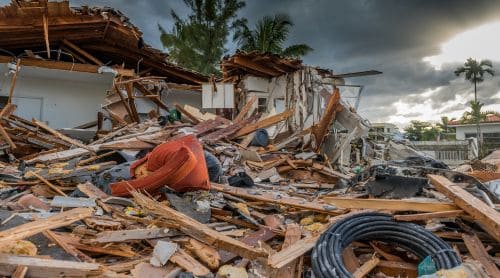
Picture the kind of shift no nursing program ever fully prepares you for. A hurricane has made landfall as a Category 4 storm. Windows shatter on the upper floors of your healthcare facility. The emergency department floods with three feet of water, forcing patients to higher ground. Outside, your city is being torn apart.
This is the heart of Scenario 4 in Elite’s newest free download, A Nurse’s Guide to Navigating the Worst-Case Scenario. Disaster nursing tests your clinical skills and your emotional endurance like nothing else. So how do you protect your patients when “good enough” replaces “best practice”?
Let’s walk through the three phases of an effective response.
Download the Worst-Case Scenario Guide
What should nurses do in the first hours of a natural disaster?
Your short-term focus is simple: keep people safe and figure out what you’re working with.
Start by protecting your patients. Move them away from windows and hazardous zones, and secure all medical equipment during transfers. Make sure life-sustaining treatments, like ventilators, are running on backup power. During a power outage, always use stairwells instead of elevators.
Once the immediate danger passes, conduct a post-disaster assessment. Check for structural damage, identify flooded or unsafe zones, and assess utilities like power, water, and medical gases. Then account for every person. Complete a staff roster check, verify your patient census, and search for anyone unaccounted for.
Finally, take stock of your resources. Inventory your medications, fluids, food, water, and generator fuel. This tells you how long you can last and what to prioritize next.
Related CE course for nurses: Crisis Resource Management
How do nurses manage shortages during a disaster?
The medium-term phase is where the real marathon begins. Your hospital becomes an island of limited resources in a sea of desperate need.
Coordination is key here. Work with FEMA Disaster Medical Assistance Teams (DMAT) and join the unified command structure by designating a hospital liaison to the emergency operations center. This helps you share information, distribute patients across regional facilities, and request military medical support if needed.
You’ll also face severe shortages, and each one calls for a targeted strategy:
- Water: Prioritize drinking water for patients and staff, and use waterless hygiene like hand sanitizer and bathing wipes.
- Food: Ration based on patient acuity, prioritizing diabetic and pediatric patients.
- Power: Carefully ration generator fuel for life-sustaining equipment like ventilators and dialysis machines.
- Blood: Cancel elective surgeries requiring transfusion and use restrictive transfusion thresholds.
This is also when you implement crisis standards of care, extending medication doses, safely reusing supplies, and adjusting nurse-to-patient ratios. Just remember to document every deviation from standard care.
Related CE course for nurses: Crisis Mode Activated: How Nurses Navigate Medication Shortages
How can nurses recover after a natural disaster?
The storm ends, but your work doesn’t. Long-term recovery is about healing and preparing for what’s next.
Begin with a thorough after-action review. Document what worked, what failed, and what you learned. Use those findings to update evacuation protocols and increase emergency supply stockpiles to a 96-hour minimum.
Don’t skip your own recovery. Access mental health resources like Employee Assistance Programs and peer support groups. Supporting your colleagues—normalizing trauma responses and advocating for adequate time off—is a form of collective survival.
Then turn your experience into something bigger. Build a home emergency kit, create a family disaster plan, and share your lessons by training other nurses or joining disaster response teams. Your firsthand knowledge makes you invaluable for future natural disaster preparedness.
Why preparation beats fear
Disasters reveal both human vulnerability and human resilience. Providing life-saving care under impossible conditions is heroic work, and it’s work you can do with more confidence when you have a plan.
That’s exactly what this guide is for. Scenario 4 is just one of five worst-case scenarios covered in A Nurse’s Guide to Navigating the Worst-Case Scenario, from medication errors to active shooter events to the next pandemic. Each one includes clear, actionable steps to help you protect your patients, support your team, and safeguard your own well-being.
Ready to feel prepared instead of anxious? Download your free copy from Elite Learning today.
Frequently asked questions
What is disaster nursing?
Disaster nursing is the practice of providing care during large-scale emergencies like hurricanes, floods, or earthquakes. It often means working with limited resources, adapting to crisis standards of care, and making rapid triage decisions when normal operations aren’t possible.
What are crisis standards of care?
Crisis standards of care are adjusted protocols used when resources run short. They may include extending medication doses, safely reusing supplies, substituting medications, and increasing nurse-to-patient ratios. Documenting every deviation is essential.
How can nurses prepare for a natural disaster before it happens?
Strong natural disaster preparedness starts before the storm. Nurses can learn their facility’s disaster response plan, build a personal home emergency kit, create a family disaster plan, and participate in regular drills so the right steps feel automatic under pressure.
Where can I learn more about handling worst-case scenarios?
Elite’s free guide, A Nurse’s Guide to Navigating the Worst-Case Scenario, covers five high-stakes situations with short-term, medium-term, and long-term response plans for each. It’s a practical resource for any nurse who wants to feel ready when it matters most.