Sleep plays a fundamental role in a patient’s health and well-being. It restores the body, consolidates memories, regulates mood, and supports immune and cardiovascular functions. Given its importance, understanding common sleep disorders is vital for healthcare providers as they seek to care for patients experiencing sleep difficulties.

Basic sleep cycles
Sleep occurs in cycles composed of two major types of sleep: non-rapid eye movement (NREM) sleep and rapid eye movement (REM) sleep. NREM can be further broken down into three stages, progressing from light sleep (stage 1) to intermediate (stage 2) and finally to deep, restorative slow-wave sleep (stage 3). REM sleep is characterized by vivid dreaming and muscle atonia, which is important for emotional and cognitive functions.
A typical sleep cycle lasts 90 to 110 minutes and repeats several times each night. Disruptions to these stages, whether due to lifestyle factors or medical conditions, can lead to daytime fatigue, impaired cognition, and an increased risk of chronic illness. Among the most common disorders that disrupt healthy sleep are:
- Obstructive sleep apnea (OSA)
- Narcolepsy
- Insomnia
- Parasomnias
- Restless leg syndrome (RLS)
Related CE course for physicians: Obstructive Sleep Apnea and Other Sleep Disorders
Obstructive sleep apnea
Repeated upper airway obstructions during sleep, despite continued respiratory effort characterize OSA. These blockages cause temporary cessations in breathing (apneas) or partial reductions (hypopneas), often leading to oxygen desaturation and abrupt awakenings. Common nighttime symptoms include loud, chronic snoring, gasping or choking episodes, and frequent awakenings. Many individuals are unaware of their symptoms until observed by a partner. Daytime effects include excessive sleepiness, fatigue, morning headaches, and irritability. If left untreated, OSA can lead to serious complications like hypertension, cardiovascular disease, type 2 diabetes, stroke, and increased mortality.
Diagnosing obstructive sleep apnea
Diagnosis of OSA involves both subjective and objective measures. As a clinician, it is important to evaluate symptoms and risk factors such as obesity, male gender, older age, and anatomical abnormalities like enlarged tonsils or nasal obstruction. Screening tools like the Epworth Sleepiness Scale or STOP-BANG questionnaire can help identify the likelihood of sleep apnea.
Diagnosis requires overnight polysomnography. This is a comprehensive sleep study that monitors brain activity, eye movements, muscle tone, airflow, respiratory effort, oxygen levels, and heart rhythm. For select patients, home sleep apnea tests provide a simpler, more accessible alternative; however, they often monitor fewer parameters.
The diagnostic criteria for OSA are based on the apnea-hypopnea index (AHI), which counts the number of breathing disruptions per hour of sleep.
- AHI of 5–14 indicates mild OSA,
- AHI of 15–29 indicates moderate OSA, and
- An AHI of 30 or more is severe OSA
A healthcare provider can diagnose OSA when the AHI is ≥ 5 with associated symptoms or ≥15 regardless of symptoms.
Treatment of obstructive sleep apnea
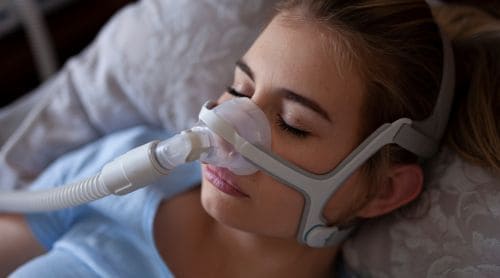
The treatment is often based on severity and patient preference. However, the gold-standard therapy is continuous positive airway pressure (CPAP), which delivers pressurized air through a mask to keep the airway open. CPAP significantly reduces apneas and improves oxygenation and sleep quality, though some patients struggle with mask discomfort or noise.
Alternatives include bilevel PAP or auto-adjusting PAP devices. Oral appliances, which reposition the jaw or tongue, are an option for mild to moderate OSA or those who cannot tolerate CPAP.
Surgical interventions such as uvulopalatopharyngoplasty or maxillomandibular advancement may be necessary in select cases, particularly when anatomical obstructions are present. Hypoglossal nerve stimulation is a newer, implantable option for those with moderate to severe OSA who cannot use CPAP.
Finally, lifestyle changes, such as weight loss, reducing alcohol and sedative use, quitting smoking, and improving sleep hygiene, are essential adjuncts to medical therapy.
Narcolepsy
Narcolepsy is a chronic neurological disorder characterized by four main symptoms:
- Excessive daytime sleepiness
- Cataplexy (a sudden loss of muscle tone)
- Sleep paralysis
- Hallucinations upon waking or falling asleep
The loss of hypocretin-producing neurons in the hypothalamus, which regulate arousal and REM sleep, causes this condition. Treatment includes stimulant medications (e.g., modafinil, amphetamines) for daytime sleepiness and antidepressants or sodium oxybate to manage cataplexy and improve nighttime sleep.
Insomnia
Insomnia, one of the most commonly reported sleep complaints, includes difficulty falling asleep, staying asleep, or waking too early, accompanied by daytime impairment. It may be acute (lasting days up to three weeks) or chronic (persisting for three weeks or longer). Insomnia can result from stress, anxiety, depression, chronic pain, medications, or poor sleep habits.
Diagnosis is clinical and involves a detailed sleep history, including assessment of sleep patterns, contributing factors, and functional impact. Sleep diaries and actigraphy (wrist-worn motion sensors) may assist in evaluation. Treatment begins with cognitive behavioral therapy for insomnia (CBT-I). CBT-I addresses unhelpful beliefs about sleep, implements sleep restrictions, and promotes good sleep hygiene. In some cases, short-term use of medications such as benzodiazepines, non-benzodiazepine hypnotics, or melatonin agonists may be appropriate.
Parasomnias
Parasomnias are abnormal behaviors or experiences that occur during sleep or sleep-wake transitions. These include sleepwalking, night terrors, confusional arousals, REM sleep behavior disorder (RBD), and sleep-related eating disorder. Parasomnias fall into categories based on the stage of sleep in which they occur.
NREM parasomnias, such as sleepwalking and night terrors, usually happen during deep sleep and often involve incomplete awakening, confusion, or amnesia. REM parasomnias, such as RBD, involve acting out vivid dreams due to a loss of the muscle paralysis that normally occurs in REM sleep. RBD is more common in older adults and may be a precursor to neurodegenerative conditions like Parkinson’s disease.
Diagnosis involves sleep history, bed partner reports, and sometimes polysomnography with video monitoring. Management depends on the type and severity of parasomnia. Safety precautions (e.g., securing the environment), treating underlying conditions, and medications like clonazepam or melatonin are often effective.
Restless leg syndrome
Restless leg syndrome (RLS) is a sensorimotor disorder characterized by an uncontrollable urge to move the legs. Patients often experience uncomfortable sensations like tingling, burning, or crawling. Symptoms worsen at rest and in the evening, often interfering with the ability to fall asleep. Research has connected RLS with conditions such as iron deficiency, kidney disease, pregnancy, and certain medications.
Diagnosis is clinical, based on criteria from the International Restless Legs Syndrome Study Group. Treatment begins with addressing underlying causes and lifestyle changes. This may include reducing caffeine, alcohol, and tobacco, regular exercise, and maintaining good sleep hygiene. If ferritin levels are low, consider iron supplementation. Pharmacologic options include dopamine agonists (e.g., pramipexole, ropinirole), alpha-2-delta ligands (e.g., gabapentin), or opioids in severe, refractory cases.
Understanding common sleep disorders
Sleep is a complex and essential biological function composed of multiple stages that support physical, mental, and emotional well-being. Common sleep disorders disrupt these natural processes in unique ways, leading to significant morbidity if left untreated.
Accurate diagnosis typically begins with a thorough clinical evaluation and may involve polysomnography or specialized testing, depending on the condition. Treatments range from behavioral interventions and lifestyle modifications to medications, mechanical devices, and surgical procedures.
A multidisciplinary, individualized approach to care is often necessary to restore sleep quality and improve a patient’s overall health and quality of life. As awareness of sleep medicine grows, early recognition and management of these common sleep disorders will continue to play a critical role in preventive health.