The postpartum period is a profound time of physical and emotional transition for your clients. As their bodies heal from pregnancy and childbirth, they often deal with significant pain, hormonal shifts, and immense stress. You have a unique opportunity to support their recovery and improve their overall well-being.
Providing a safe and effective postpartum massage requires specialized knowledge. You must understand the physiological changes your clients are experiencing, the implications of different delivery methods, and the specific contraindications that apply to this vulnerable population. It takes more than just a standard relaxation routine to address the complex needs of a new parent.

This guide will equip you with the essential information you need to confidently treat postpartum clients. We’ll cover the stages of postpartum recovery, common physical conditions, effective manual therapy techniques, and how to create a welcoming environment in your practice. By the end of this post, you will be better prepared to offer high-quality care that truly makes a difference.
Related CE course for massage therapists: Nurturing New Beginnings: An Integrated Therapies for Postpartum Health
Understanding the postpartum population
The postpartum period begins immediately after delivery and generally lasts for six to eight weeks. However, the recovery process continues long after this initial window. This population includes anyone who’s recently given birth, encompassing cisgender females, transgender males, and those who have experienced spontaneous miscarriages near their due date.
Recovery happens in three distinct phases. The acute period covers the first six to twelve hours after birth. This is when the most dramatic physical changes occur, and the risk for severe complications like hemorrhage or embolism is at its highest. Because of these risks, you should limit manual therapy interventions during this time.
The subacute period lasts from two to six weeks. During this phase, clients experience significant hemodynamic regulation, genital and urinary system recovery, and dramatic emotional shifts. Muscular pain often manifests here, and cesarean section scars begin to heal. Finally, the delayed postpartum period stretches from two to six months. This phase involves more gradual changes, including muscle tone restoration and the return of the reproductive system to its pre-pregnancy state.
Common delivery methods and contraindications
You must always tailor your treatment plan to the client’s specific delivery method. Vaginal deliveries generally allow for a quicker recovery and fewer restrictions for manual therapy. However, complications like tearing or the use of forceps and episiotomies can increase recovery time. If your client had an episiotomy, use caution with deep tissue or circulatory massage in the first month until their stitches are removed.
Cesarean sections require a much more cautious approach. This surgical delivery cuts through seven tissue layers, including the fascia, muscle, and peritoneum. You should avoid any abdominal massage until the wound is fully healed, which typically takes four to six weeks. Any circulatory massage before the six-week mark requires careful consideration and explicit permission from the client’s doctor.
Always watch for medical red flags that require immediate referral to a physician. Do not provide massage if your client presents with chest pain, excessive bleeding, a fever, or a blood pressure reading over 150/100. Postpartum preeclampsia is a severe condition that most commonly develops in the first 48 hours after childbirth, and manual therapy is strictly contraindicated without a doctor’s approval.

Physical and hormonal changes to look for
Your clients will likely present with a variety of physical complaints rooted in the biomechanical and hormonal shifts of pregnancy. Relaxin, a hormone that softens ligaments and joints to accommodate the growing baby, remains in the body postpartum. This lingering relaxin contributes to joint pain and joint instability, particularly in the sacroiliac joints, knees, and pelvic girdle.
Round ligament pain is another frequent complaint. The round ligaments stretch significantly to support the growing uterus. As they shrink back to their normal size postpartum, clients often experience discomfort near the superior portion of the pubis. You can help alleviate this with circulatory soft tissue massage, using small circular motions and maintaining contact with the ligament.
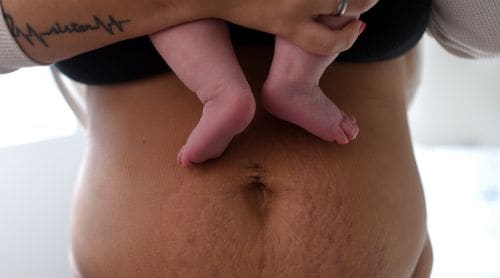
Diastasis recti affects roughly 60% of postpartum patients. This separation of the abdominal muscles can cause back pain, pelvic instability, and core weakness. You might notice a visible coning or doming when the client contracts their abdominal muscles. While deep abdominal work is initially contraindicated, careful myofascial release can eventually help reduce fascial tension and encourage the muscles to realign.
Effective postpartum massage techniques
Lower back and pelvic pain are the most common complaints you’ll treat. This pain stems from postural changes, weakened abdominal muscles, and the physical strain of carrying an infant. To provide relief, incorporate sacral traction and gentle craniosacral therapy, which is safe even in the acute postpartum phase. You can also use petrissage on the piriformis, quadratus lumborum, gluteal muscles, and spinal erectors to release built-up tension.
Guidelines for abdominal massage
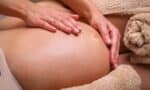
When the client is ready and fully healed, abdominal massage offers incredible benefits. It increases circulation, improves digestion, helps regulate hormones, and reduces scar tissue. Because the abdomen is a highly vulnerable area for new parents, always allow your client to acclimate to your touch by simply resting your hand on their stomach first.
Always stand on the left side of your supine client during abdominal work. Use a technique called colon walking, starting with gentle effleurage in a clockwise direction. Follow the natural flow of the ascending, transverse, and descending colon. Apply your pressure on the client’s exhale, and use two-handed exploration techniques for a supportive, grounded touch.
Incorporating lymphatic drainage
Lymphatic drainage is highly effective for reducing postpartum fluid retention. Always work in a specific order: address the left quadrant, then the right, followed by distal areas, and finally proximal areas. Remember that the lymphatic system is a one-way system that relies on moving fluid from distal to proximal points.
Use light to medium pressure, as the lymphatic vessels sit just below the skin. You can use extra bolstering to elevate the client’s legs, allowing gravity to assist the drainage process. Encourage your client to take deep breaths throughout the treatment to further stimulate lymphatic flow. Never perform lymphatic drainage if the client has an active infection.
Creating a supportive practice environment
Providing excellent postpartum massage goes beyond your hands-on techniques. Your physical practice space must accommodate the unique needs of new parents. Because postpartum clients experience significant urinary system changes, ensure your bathroom is easily accessible. Proactively inform them about the bathroom’s location before the session begins, as they may feel too embarrassed to ask.
You should also create a baby-friendly environment. Many new parents face childcare constraints or experience postpartum anxiety when separated from their newborns. Allow clients to bring their babies into the treatment room, and ensure you have adequate space for a stroller or bassinet. Accommodating skin-to-skin contact during the session can even help boost the mother’s oxytocin levels.
Finally, prepare your space for clients who are breastfeeding. Set up a dedicated, private area where they can comfortably nurse or pump before or after their session. Keep extra towels on hand for potential milk leakage, and use plenty of bolstering under their shoulders to reduce pressure on sensitive breast tissue while they lie prone.
Empowering your postpartum clients
Postpartum massage provides vital physical and emotional support during a highly demanding phase of life. By understanding the specific physiological changes, respecting surgical recovery timelines, and creating a welcoming clinic environment, you can safely help your clients heal. You have the skills to reduce their pain, improve their mobility, and offer a quiet space for them to simply breathe.
If you want to deepen your expertise, consider taking an advanced continuing education course. Expanding your knowledge of specific techniques like cesarean scar tissue release or targeted pelvic floor support will make you an invaluable resource for your community. Start integrating these specialized practices into your clinic today, and watch your impact grow.