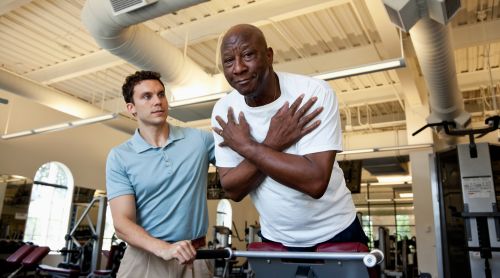
Physical therapists and physical therapy assistants stand at the forefront of healthcare innovation. Your dedication transforms lives daily, pushing boundaries and redefining what recovery looks like. Let’s explore a few of the remarkable ways you’re shaping the future of rehab.

1. Pioneering telehealth solutions
During the global upheaval of the COVID pandemic, physical therapists revolutionized remote care. You adapted quickly, creating virtual assessment techniques and home exercise programs that maintain quality care standards. Your innovation proved that distance doesn’t diminish therapeutic relationships or treatment effectiveness.
Telehealth platforms now offer specialized PT modules because you demanded better tools. You advocated for reimbursement changes and developed protocols that insurance companies accept. This persistence opened doors for patients who couldn’t access traditional clinic settings.
Related CEU course for PT professionals: Telehealth for Physical and Occupational Therapy, 2nd Edition
2. Advancing pain science education
You’re transforming how patients understand pain. Gone are the days of purely biomedical explanations. Modern PTs educate patients about pain neuroscience, helping them understand that pain doesn’t always equal damage.
Your patient education reduces fear-avoidance behaviors and improves outcomes. You explain complex concepts in accessible language, empowering patients to take active roles in recovery. This educational approach reduces healthcare costs and prevents chronic pain development.
Related CE course for PT professionals: Evidence-Based Pain Management: Interventions, Approaches, and Best Practices
3. Integrating artificial intelligence
Forward-thinking physical therapists embrace AI tools for movement analysis and treatment planning. You use apps that track patient progress and predict outcomes. These technologies enhance your clinical decision-making without replacing your expertise.
AI assists with documentation, freeing up time for patient care. You provide feedback to developers, ensuring these tools meet real-world clinical needs. Your input shapes AI development in meaningful ways.
4. Specializing in niche areas
Physical therapy specialization continues expanding. You pursue advanced certifications in areas like Alzheimer’s therapy, pediatric interventions, and sports medicine. These specialized skills address previously underserved patient populations.
Your expertise fills critical gaps in healthcare. Patients receive targeted treatments instead of generic approaches. This specialization elevates the profession’s status and improves patient satisfaction scores.
5. Mentoring future professionals
Experienced PTs and PTAs dedicate time to mentoring students and new graduates. You provide clinical rotations that shape future professionals. Your guidance helps them develop clinical reasoning skills and professional confidence.
You serve on advisory boards for PT education programs. Your input ensures curricula prepare graduates for current practice demands. This mentorship creates a stronger, more capable profession.
6. Conducting clinical research
Physical therapists increasingly engage in research activities. You participate in clinical trials and conduct outcome studies. Your research generates evidence that supports PT interventions and influences practice guidelines.
You present findings at professional conferences and publish articles in peer-reviewed journals. This scholarship elevates physical therapy’s scientific credibility. Evidence-based practice becomes stronger through your contributions.
7. Advocating for policy changes
Professional advocacy efforts led by physical therapists create meaningful policy changes. You contact legislators about direct access laws and insurance coverage issues. Your advocacy expands PT practice authority and improves patient access.
You serve on regulatory boards and professional committees. These leadership roles allow you to shape policies that affect patient care. Your voice represents both professional interests and patient needs.
8. Embracing preventive care models
Innovative physical therapists shift focus from reactive to preventive care. You develop wellness programs that prevent injuries before they occur. These programs reduce healthcare costs and improve quality of life.
Your injury prevention expertise helps athletes, workers, and aging adults maintain function. You design movement screens that identify risk factors early. This proactive approach changes how healthcare systems think about prevention.
9. Adapting to demographic changes
Physical therapists prepare for aging population challenges. You develop expertise in geriatric care and age-related conditions. Your specialized knowledge helps older adults maintain independence and quality of life.
You adapt treatment approaches for diverse patient populations. Cultural competency and language considerations become integral to your practice. This inclusivity ensures all patients receive appropriate care.
Related CE course for PT professionals: Aging Process: What is Happening to the Body and What Does it Mean?
10. Leveraging social media for education
Tech-savvy physical therapists use social media platforms for patient education. You create content that dispels myths and promotes healthy movement. Your online presence reaches audiences beyond your clinical practice.
You engage with professional communities through social networks. These connections facilitate knowledge sharing and collaborative problem-solving. Social media becomes a tool for professional development and patient advocacy.
11. Developing business innovation
Entrepreneurial physical therapists create new business models and service delivery methods. You establish cash-based practices, mobile therapy services, and specialized clinics. These innovations increase patient access and improve satisfaction.
Your business acumen drives practice efficiency and sustainability. You implement systems that improve workflow and reduce administrative burden. These improvements benefit both providers and patients.
Related CE course for PT professionals: Private Practice: Building Your Business Plan
12. Training in advanced technologies
Physical therapists master new technologies like robotic-assisted devices and virtual reality systems. You learn complex equipment operation and integrate these tools into treatment plans. Your technical skills enhance patient engagement and outcomes.
You provide feedback to equipment manufacturers about user needs and design improvements. This collaboration ensures new technologies meet clinical requirements. Your input shapes the future of rehabilitation equipment.
13. Fostering professional development
Continuing education becomes a cornerstone of professional growth. You pursue advanced courses and certifications throughout your career. This commitment to learning ensures you provide current, evidence-based care.
You share knowledge with colleagues through presentations and discussions. Professional development becomes a shared responsibility that strengthens the entire team.
14. Addressing mental health components
Modern physical therapists recognize the connection between physical and mental health. You screen for depression and anxiety that may impact recovery. Your holistic approach addresses both physical symptoms and psychological barriers.
You collaborate with mental health professionals to provide comprehensive care. This interdisciplinary approach improves patient outcomes and satisfaction. Your awareness of psychological factors enhances treatment effectiveness.
Related CE course for PT professionals: Mental Health Self-Care Checklist for PT Professionals
15. Promoting environmental sustainability
Environmentally conscious physical therapists implement sustainable practices in their clinics. You reduce waste, choose eco-friendly products, and promote active transportation. These efforts demonstrate professional responsibility beyond patient care.
You educate patients about environmental factors that affect health. Your advocacy extends to community health and global wellness issues. This broader perspective enhances your role as a healthcare leader.
16. Building stronger professional communities
Physical therapists create supportive professional networks that benefit everyone. You participate in professional organizations and volunteer for community service. These connections strengthen the profession and improve public perception.
You celebrate colleagues’ achievements and support those facing challenges. This camaraderie creates a positive professional culture that attracts new talent. Your community-building efforts ensure physical therapy’s bright future.
Celebrating a profession of excellence
Your innovative spirit and dedication continue shaping rehabilitation’s future. Each patient interaction, research contribution, and advocacy effort creates positive change. The profession grows stronger because of your commitment to excellence.
Take pride in your contributions to this dynamic profession. Your work today creates better outcomes for tomorrow’s patients. Continue pushing boundaries, embracing innovation, and leading positive change in healthcare.