If you’ve ever sat in a dentist’s chair, you’ve likely met a dental hygienist. They’re the friendly experts who clean your teeth, take x-rays, and chat with you about flossing while working with impressive precision. But have you ever wondered what it actually takes to land this role?
For those interested in healthcare, becoming a dental hygienist is an excellent path. It offers a unique mix of patient care, technical skill, and flexibility that many other medical professions lack. Plus, the demand for these professionals is growing fast.
If you’re ready to launch a rewarding career in dentistry, you’re in the right place. This guide covers exactly what dental hygienists do, the skills you need to succeed, and the step-by-step process to become a dental hygienist.

What do dental hygienists actually do?
Dental hygienists are the front line of oral health. While dentists focus on diagnosing and treating complex issues, hygienists focus on prevention. They work directly with patients to stop problems before they start.
On a typical day, a dental hygienist will:
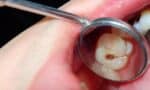
- Clean teeth: This involves removing plaque, tartar, and stains to keep teeth and gums healthy.
- Screen patients: They examine patients for signs of oral diseases like gingivitis and report findings to the dentist.
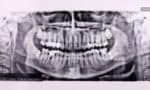
- Take x-rays: Using advanced imaging technology, they capture detailed pictures of the teeth and jaw.
- Educate patients: This is a huge part of the job. Hygienists teach people how to brush and floss correctly and explain how diet affects oral health.
- Apply treatments: They apply preventative materials like sealants and fluoride to protect teeth from decay.
Most hygienists work in private dental offices, but you can also find them in public health clinics, schools, and even research settings. It’s a hands-on role that requires both technical know-how and a people-first attitude.
The skills you need to succeed
You might think this job is just about having steady hands, but it takes more than that to thrive. Successful dental hygienists possess a specific blend of hard and soft skills.
Critical thinking is essential. You need to assess a patient’s oral health and create a hygiene plan that works for them. Detail orientation is also non-negotiable. You’re working in tight spaces with precise tools, and following strict protocols is vital for patient safety.
However, the human side of the job is just as important. Communication skills are key because you must explain complex health information clearly to patients and dentists. You also need strong interpersonal skills to make patients feel comfortable, especially those who might be anxious about dental work. Finally, you need dexterity and stamina to work with your hands throughout the day.
Related CE course for dental professionals: Dental Ethics and the Digital Age, 3rd Edition
Career prospects and salary
If you’re looking for job security, this field is a winner. The job outlook for dental hygienists is very strong. Employment is projected to grow 7% from 2024 to 2034, which is much faster than the average for all occupations.
Why the growth? As the population ages, people are keeping their original teeth longer, increasing the need for dental care. Plus, we now know much more about the link between oral health and general health, driving demand for preventative services.
The pay is competitive, too. In May 2024, the median annual wage for dental hygienists was $94,260. That’s significantly higher than the median for all occupations, which sits around $49,500. Most hygienists work in dentists’ offices, and many enjoy the flexibility of part-time schedules.
How to become a dental hygienist
Ready to get started? Here is the typical path you will take:
- Complete an accredited program. You don’t need to spend four years in college to start this career. Most dental hygienists enter the field with an Associate’s Degree in dental hygiene. These programs usually take about three years to complete and are available at community colleges and technical schools. You will study subjects like anatomy, periodontics (gum disease), and medical ethics, alongside hands-on clinical training.
- Pass your examinations. To get your license, you typically need to pass the National Board Dental Hygiene Examination. This written exam tests your knowledge of dental hygiene procedures and biomedical sciences.
- Get licensed in your state. Every state requires dental hygienists to be licensed. While requirements vary by location, you will generally need to pass a clinical board exam in addition to the written national exam. This proves you can safely perform procedures on actual patients. Contact your state’s Board of Dental Examiners for the specific rules in your area.
Start your journey in dentistry today
Becoming a dental hygienist offers a clear, achievable path to a stable and high-paying career. You get to help people improve their health every single day, all while enjoying a flexible work environment.
If this sounds like the right fit for you, start by researching accredited dental hygiene programs near you. The sooner you enroll, the sooner you can start making a difference in patients’ smiles.