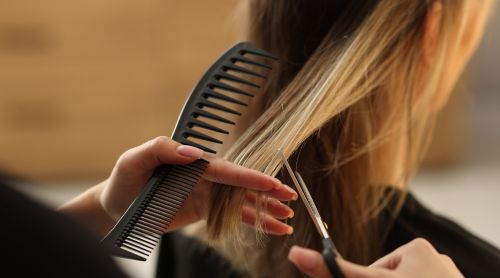
Clients don’t just come to the salon chair for a haircut or a manicure. Many treat their stylist or esthetician like an informal confidant, sharing everything from relationship troubles to health scares during an appointment. For the stylist, that emotional labor adds up over the course of a busy week, even though it rarely gets acknowledged as real work.
Add long hours on your feet, inconsistent income tied to bookings and tips, and the physical strain of repetitive movements, and it’s easy to see why hairstylist burnout is a genuine occupational hazard rather than a minor inconvenience.

Recognizing mental illness within the profession
More than half of the population will receive a diagnosis of some form of mental illness at some point in their life, and salon professionals are no exception to that statistic. Feeling very sad or withdrawn for more than two weeks, drastic changes in mood or sleeping habits, and excessive use of alcohol or drugs are all signs worth taking seriously, whether in a coworker or in yourself.
Mental illness can be difficult to diagnose because symptoms often overlap and shift over time. What looks like ordinary stress to an outside observer may actually be something that needs professional support.
Related CE course for salon professionals: Mental Health and Personal Wellness: An Overview for Salon Professionals
The stigma that keeps people quiet
Salon culture tends to prize a friendly, upbeat demeanor. This can make it harder for stylists struggling with their mental health to speak up without feeling like they’re breaking character for clients. Public stigma around mental illness leads to fear, avoidance, and discrimination, while self-stigma, where a person internalizes those same negative beliefs, can push someone toward isolation instead of support.
Reducing that stigma starts small: talking openly with coworkers, being conscious of language, and treating a colleague’s mental health struggles with the same seriousness as a physical injury on the job.
Salon owners who model this openness themselves, rather than expecting front-line staff to bring it up first, tend to see a real shift in how comfortable their team feels discussing stress, burnout, or bigger struggles before they become a crisis.
Substance use as a coping strategy
Substance use often shows up as a way to self-medicate the stress and emotional exhaustion tied to this kind of work. Often, it can worsen the very symptoms it’s meant to relieve. Recognizing when a coworker’s drinking or drug use has shifted from occasional to concerning is an important, if uncomfortable, part of looking out for each other in a salon environment.
Many people with a mental illness also carry a diagnosable substance use disorder. The two conditions tend to feed each other rather than existing side by side independently. A stylist who notices this pattern in themselves, or in someone they work alongside, is better served by treating it as a health issue than as a personal failing.
What crisis support can look like in a salon
A mental health crisis doesn’t wait for a convenient moment. It can happen during a shift just as easily as anywhere else. Staying calm, listening without judgment, and asking simple, direct questions, like whether the person feels safe, go a long way in the moments before more formal help arrives.
Knowing which local resources to call, whether that’s a therapist, a crisis line, or in a genuine emergency, 911, matters more than trying to solve the underlying problem in the middle of a busy salon floor.
Building a healthier salon culture
Owners and managers who normalize breaks, encourage open conversations about stress, and know how to respond during a mental health crisis create a workplace where stylists are more likely to get help before burnout turns into something more serious. Personal wellness across the physical, emotional, social, spiritual, and mental domains gives salon professionals a fuller framework for taking care of themselves, not just their clients.