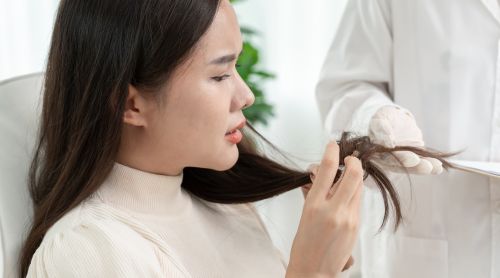
The struggle against hair damage is universal. Whether from heat styling, chemical treatments, environmental exposure, or simply the wear and tear of daily life, damaged hair can manifest as breakage, split ends, dryness, and frizz. The good news? With the right knowledge, habits, and care, repairing damaged hair is entirely achievable.
This comprehensive guide explores the causes of hair damage, how to prevent it, and most importantly, how to repair it.
Related CE course for salon professionals: Repairing Damaged Hair, 2nd Edition

Understanding hair damage
To understand how to repair damaged hair, it’s important to first understand what hair damage actually means. Hair is composed of a protein called keratin, structured in layers. The outermost layer, known as the cuticle, protects the inner core of the hair shaft. When the cuticle is intact, hair appears shiny and smooth. When it’s damaged, the cuticle lifts and breaks, exposing the inner layers to further harm and causing roughness, dryness, and fragility.
There are several types of hair damage, including:
- Mechanical damage: Caused by brushing, combing, or tying hair too tightly.
- Chemical damage: Resulting from bleaching, coloring, perming, or relaxing.
- Heat damage: Caused by frequent use of curling irons, flat irons, or blow dryers without proper heat protection.
- Environmental damage: From sun exposure, pollution, chlorine, and saltwater.
Hair doesn’t regenerate like skin. Once the strands are damaged, they can’t be truly “healed” in the biological sense. However, you can significantly improve the appearance and strength of damaged hair through strategic care.
Step 1: Stop the source of damage
The first and most important step in repairing damaged hair is identifying and eliminating the root cause of the damage. Continuing to expose your hair to harsh treatments while trying to repair it is like trying to fix a leaking roof while it’s still raining.
If your hair is chemically damaged, consider taking a break from dyes, perms, and relaxers for several months. Consult a professional stylist to discuss gentler alternatives or safe application techniques if color is essential for you.
If heat is the culprit, dramatically reduce how often you use hot tools. Air-dry your hair whenever possible and always apply a heat protectant spray before styling. According to the American Academy of Dermatology (AAD), heat protectants can reduce damage by forming a barrier between your hair and the tool’s heat source.
If mechanical damage is present, avoid rough towel drying, harsh brushing, and rubber band ties. Instead, use microfiber towels, wide-tooth combs, and scrunchies or spiral hair ties.
Step 2: Nourish from the inside out
Your hair’s health is closely linked to your overall health. A poor diet can lead to weak, brittle hair, while a balanced intake of essential nutrients supports growth and strength.
Key nutrients for hair repair include:
- Protein: Since hair is made of protein, consuming enough is vital. Eggs, lean meats, fish, legumes, and nuts are excellent sources.
- Biotin: This B-vitamin is essential for keratin production. It’s found in foods like sweet potatoes, almonds, and eggs.
- Iron and zinc: These minerals are crucial for hair growth and scalp health. Deficiencies can lead to hair loss.
- Omega-3 fatty acids: Found in fatty fish, flaxseeds, and walnuts, these support scalp hydration and hair elasticity.
Drinking adequate water is also essential. Hydration supports scalp health and keeps hair from becoming dry and brittle.
Step 3: Revamp your hair care routine
Your regular hair care products might be contributing to or exacerbating the damage. Here’s how to transition to a more healing routine:
- Sulfate-free shampoos. Sulfates are harsh detergents that can strip natural oils, leading to dryness and irritation. Look for gentle, sulfate-free shampoos designed for damaged or color-treated hair.
- Deep conditioning treatments. Conditioners with ingredients like shea butter, argan oil, keratin, and coconut oil can penetrate the hair shaft and provide intense moisture. Use a deep conditioning mask once a week to restore hydration and elasticity.
- Leave-in conditioners and serums. These products help detangle hair, reduce frizz, and offer protection from environmental stressors. Opt for those with heat-protecting properties if you must style your hair with hot tools.
- Protein treatments. Hair that has been chemically or heat-damaged often lacks protein. Replenishing it can strengthen the strands. However, protein treatments should be used sparingly, as overuse can lead to stiffness and further breakage. Aim for once every two to four weeks.
- Trims. No matter how intensive your care routine is, split ends cannot be repaired. Regular trims every 6–8 weeks prevent splits from traveling up the shaft and causing more extensive breakage.
Step 4: Natural remedies that work
Some natural oils and ingredients have stood the test of time for improving hair quality:
- Coconut oil penetrates the hair shaft and reduces protein loss, making it ideal for pre-shampoo treatments.
- Olive oil works well as a moisture sealant, especially for coarse or curly textures.
- Aloe vera soothes the scalp, hydrates strands, and helps with dandruff control.
- Avocado mashed and applied as a mask delivers both protein and fatty acids.
While natural remedies are beneficial, always patch test and introduce new ingredients gradually to avoid allergic reactions.
Step 5: Be gentle and consistent
Hair recovery is not an overnight process. You’ll need consistency, patience, and a gentle approach to see lasting results.
Avoid the temptation to tug, tease, or over-style. Embrace your natural texture as it heals. Protective hairstyles like braids, buns, or silk wraps can help minimize daily wear and reduce breakage.
If your hair is extremely damaged (e.g., gummy texture from bleach, significant hair fall), consult a professional trichologist or dermatologist. In some cases, prescription treatments or medical tests may be needed to rule out underlying issues like thyroid imbalances or hormonal disorders.
When to seek professional help
If your hair shows no improvement despite consistent care, or if hair loss becomes excessive, it’s time to consult a specialist. Dermatologists or certified trichologists can assess your scalp health, run diagnostic tests, and offer customized treatments.
Some issues, like telogen effluvium, androgenic alopecia, or seborrheic dermatitis, may resemble general damage but actually need specific medical intervention. Early diagnosis can prevent further hair loss and improve outcomes. Ignoring persistent symptoms may delay recovery. Seeking professional help ensures you’re not misdiagnosing your condition and helps address underlying causes with the right solutions tailored to your needs.
Taking care of damaged hair
Repairing damaged hair is more than just a cosmetic concern. It’s about restoring your confidence and embracing healthier habits. Whether your damage stems from color treatments, heat styling, or everyday life, the solution lies in gentle care, quality products, and a well-rounded lifestyle.
Remember, healthy hair isn’t just about what you put on it. It’s also about how you treat it, nourish it, and protect it over time. Stay consistent, listen to your hair, and give it the care it deserves.