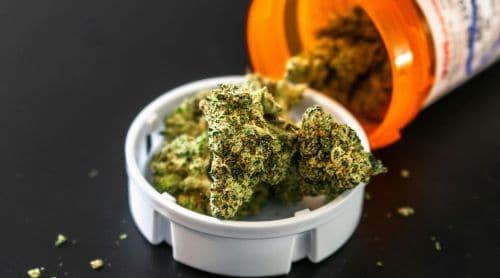
As medicinal marijuana becomes more common for treating various conditions, it’s vital for dental professionals to understand its effects. Patients may use it to manage chronic pain or other health issues. Knowing how medicinal marijuana impacts oral health and interacts with dental drugs is essential for providing safe, quality care. This guide offers an overview of what you need to know when treating patients who use medicinal marijuana.
For oral healthcare professionals (OHCPs), staying informed is part of the job. This knowledge helps you advise patients and make safe treatment decisions. By understanding the pharmacology and effects of medicinal marijuana, you can better manage patient care and address potential risks.
Related CE course for dental professionals: Medical Marijuana and Other Cannabinoids

The impact of medicinal marijuana on oral health
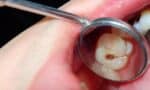
Marijuana use can have several negative effects on oral health. Users often have poorer oral hygiene compared to non-users. This includes higher plaque scores and more decayed, missing, or filled teeth.
One of the most significant side effects is xerostomia, or dry mouth. Chronic marijuana use increases the risk of caries because there is less saliva to protect the teeth. Additionally, smoking marijuana can cause changes in the mouth’s lining, a condition known as “cannabis stomatitis.” Early signs include dry mouth and irritation. Over time, this can lead to chronic inflammation and white patches (leukoplakia), which may become cancerous.
It is important to discuss these risks with patients. Regular check-ups and a good oral hygiene routine can help manage these issues.
Clinical considerations during dental visits
Patients using marijuana can present unique challenges during dental appointments. The substance can cause variable effects on the nervous system. Combined with the natural stress of a dental visit, this could lead to a fainting episode. Patients who are actively using or intoxicated might feel anxious, paranoid, or uncomfortable during treatment.
A significant concern is the interaction with local anesthetics. Marijuana can cause an increased heart rate (tachycardia). If a local anesthetic containing epinephrine is used, it can prolong this effect, which may be dangerous for the patient. You should be aware of these potential complications and prepare accordingly to ensure patient safety.
Related CE course for dental professionals: Prescription Drug Abuse Among Dental Patients: Scope, Prevention, and Management, 3rd Ed
Drug interactions with medicinal marijuana
Understanding how medicinal marijuana interacts with common dental medications is crucial. Some combinations can lead to adverse effects, while others are generally safe.
Analgesics and anti-inflammatory agents
- Opioids: Avoid prescribing opioids to patients who use marijuana. The combination can cause excessive central nervous system (CNS) depression, which may lead to loss of consciousness.
- Acetaminophen and NSAIDs: There are no specific concerns when using these medications with marijuana for pain relief.
- Glucocorticoids: Similar to NSAIDs, these can be co-administered without specific concerns.
Antibiotics and antifungals
- Erythromycin: This antibiotic can increase the effects of cannabidiol (a component of marijuana) by inhibiting a key enzyme (CYP3A4). Consider using azithromycin as an alternative, as it is not metabolized the same way.
- Fluconazole: Using fluconazole with marijuana may increase the effects and side effects of cannabidiol. For treating oral candidiasis in marijuana users, nystatin is a safer alternative.
Local anesthetics and sedatives
- Local anesthetics: Local anesthetics with epinephrine can prolong tachycardia. While there are no other known direct drug interactions, caution is advised.
- Sedative agents: Use sedative agents like nitrous oxide or benzodiazepines with caution. Patients may already be self-medicated. If sedation is necessary for a highly fearful patient, use low, conservative doses. Chronic marijuana users should avoid edible or topical forms for at least 24 hours before an appointment to prevent stronger effects. Nitrous oxide may also be a concern for chronic smokers due to potential respiratory issues. Always monitor for excessive sedation when using CNS depressants.
Enhance your patient care
As an oral healthcare professional, your duty is to be knowledgeable about the substances your patients use. Understanding the effects of medicinal marijuana allows you to provide safer, more effective care. It helps you manage drug interactions, address oral health consequences, and ensure a safe environment for every patient.
With this knowledge, you can confidently navigate conversations with patients and make informed clinical decisions. Staying current on this topic prepares you to meet the evolving needs of your patients and uphold the highest standards of care.